
AI Summary
This video explores the paradoxical effect of coyote culling: rather than reducing their population, killing coyotes can actually increase their numbers. It explains the social structure of coyote packs, where only the dominant female breeds, and how the removal of this female causes the pack to disperse, leading to more breeding females and ultimately more coyotes.
Chapters
Attempting to eradicate coyotes actually leads to an increase in their population, contrary to the intended effect.
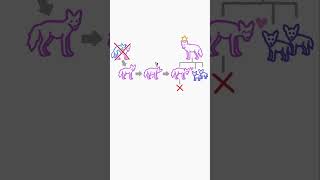
A typical coyote pack of six resembles a small family, with only the dominant female producing offspring. Subordinate females do not have their own pups.
Subordinate females undergo pseudo-pregnancy, experiencing all stages of pregnancy without actually conceiving. This behavior likely prepares them for maternal care and strengthens group cohesion.
When the dominant female dies, the pack disperses. Her daughters leave to find new territories and become dominant females in their own packs, increasing the number of breeding females.
Young females that become dominant tend to produce offspring with adult alpha males, further contributing to population growth.
Coyote control is compared to fighting the mythological hydra: each coyote killed is replaced by several more, making eradication efforts counterproductive.
Coyote culling is counterproductive because it disrupts pack structure, leading to more breeding females and a larger population. Effective management must consider these social dynamics.
Study Flashcards (6)
What is the paradoxical effect of coyote culling?
easy
Click to reveal answer
What is the paradoxical effect of coyote culling?
Killing coyotes can actually increase their population, not decrease it.
00:01
In a typical coyote pack of six, which female produces offspring?
easy
Click to reveal answer
In a typical coyote pack of six, which female produces offspring?
Only the dominant female produces offspring.
00:13
What happens to subordinate females in a coyote pack?
medium
Click to reveal answer
What happens to subordinate females in a coyote pack?
They undergo pseudo-pregnancy, experiencing all stages of pregnancy without actually conceiving.
00:26
What is the likely purpose of pseudo-pregnancy in subordinate female coyotes?
medium
Click to reveal answer
What is the likely purpose of pseudo-pregnancy in subordinate female coyotes?
It prepares them for maternal care and strengthens group cohesion.
00:26
What happens when the dominant female coyote dies?
medium
Click to reveal answer
What happens when the dominant female coyote dies?
The pack disperses, and her daughters become dominant females in new packs, increasing the number of breeding females.
00:41
What analogy is used to describe coyote control?
easy
Click to reveal answer
What analogy is used to describe coyote control?
Fighting the mythological hydra, where each killed coyote is replaced by several more.
01:08
💡 Key Takeaways
Culling Increases Population
This is the core paradox that challenges conventional pest control wisdom.
00:01Pseudo-pregnancy in Subordinates
A fascinating biological adaptation that enhances pack cohesion and prepares females for motherhood.
00:26Pack Dispersal Leads to More Breeding
Explains the mechanism by which culling backfires, as daughters become new dominant breeders.
00:41Hydra Analogy
A powerful metaphor that succinctly captures the futility of eradication efforts.
01:08Full Transcript
[00:01] не следует пытаться истребить койотов, потому что это на самом деле приведет к их увеличению. Стаи койотов, как правило, напоминают небольшие семьи. [музыка] А в типичной стае из шести особей только доминирующая самка, как правило, производит
[00:13] [музыкальным] аналогом подростковых детей вожака стаи. Зачастую они уже взрослые, но всё ещё остаются рядом и охотятся вместе со своими родителями. В этой семейной стае у молодых самок нет собственных детенышей. Вместо этого подчиненные самки
[00:26] беременности. В ходе этой беременности они проходят все стадии производят. Им даже не нужно было создавать [музыку], чтобы это сделать. И это странно, но это выполняет свою функцию. Вероятно, это подготавливает их к проявлению материнских чувств
[00:41] по отношению к своим новорожденным братьям и сестрам, что, вероятно, укрепляет сплоченность группы. Но когда умирает доминантная самка [музыка] и стая рассеивается, все её дочери уходят, находят служанок и на
[00:54] доминирующими самками в своих новых стаях. И вот ещё что: у молодых самок [музыка] потомство, как правило, взрослых альфа-самцов. Таким образом, вместо того чтобы сокращать численность койотов, охотник может фактически увеличить их количество. Потому что борьба с койотами — это
[01:08] как борьба с мифической гидрой. Каждый убитый вами койот заменяется like fighting the mythological hydra – every coyote you kill gets replaced by several more.