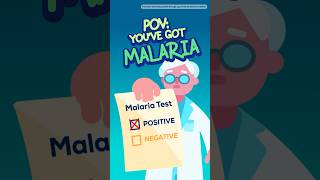

Malaria: 3-Day Cure or Death?
43sHigh-stakes contrast between a simple cure and fatal consequences grabs attention.
▶ Play Clip"Title suggests a deeper dive into malaria's mechanics; video delivers a solid overview of treatment and drug resistance, though it's a bit brief to be a full 'why' analysis."
This video explains why malaria remains a formidable global health challenge. It details the causes, treatment protocols, and the constant threat of drug-resistance, emphasizing why current strategies are only a temporary measure.
Malaria is caused by five different parasites. Treatment typically involves a combination of artemisinin (which targets parasites as they feed on blood cells) and a partner drug. For uncomplicated, fast-treated cases, a 3-day course of pills and rest is effective.
Severe malaria requires more intensive care: intravenous drugs for at least 24 hours, possibly blood transfusions or breathing support, and follow-up treatment that lasts for days. With hospital care, the survival rate is 80-90%.
Untreated malaria is almost certainly fatal, but many people don't get treatment in time. Misuse of drugs (too short a course, reliance on one drug) accelerates the evolution of drug-resistant parasites, threatening the effectiveness of current treatments.
The current strategy is to use combination therapies and longer treatment durations to make it harder for parasites to adapt, improving patient survival. This is a stopgap; newer treatments exist but aren't a full solution.
How many different parasites cause malaria?
Five
00:02
What is the primary drug used to kill malaria parasites?
Artemisinin (usually combined with a partner drug)
00:02
What is the survival rate for severe malaria with hospital care?
80-90%
00:31
What happens when malaria is left untreated?
Death is almost certain
00:43
What causes malaria parasites to develop drug-resistant mutations?
Treating patients for too little time or over-reliance on a single drug
00:43
Drug Resistance Trap
Explains in a clear cause-and-effect why malaria is winning the battle against current treatments.
00:43Adaptive Strategy
Highlights the practical (but impermanent) approach of using drug combinations and longer treatments to outpace parasite adaptation.
00:56[00:02] your life. Malaria is caused by five different parasites and depending on the drugs to kill it. Usually, it's a combination of artemisinin, which is parasites as they snack on your blood cells, and a partner drug. If your case
[00:18] isn't complicated and you treat it fast, 3 days of pills and rest will flush them out. For severe malaria, we need to step things up. You'll need drugs piped into your veins for at least 24 hours and may need a blood transfusion or breathing
[00:31] support. Follow-up treatment lasts for days, but with hospital care, the survival rate for severe malaria can be 80 to 90%. However, if it goes untreated, death is almost certain and unfortunately, many people don't get
[00:43] treated in time. On top of that, malaria parasites are constantly evolving. Treating patients for too little time or over-reliance on a single drug allows parasites to develop drug-resistant mutations. There are new treatments
[00:56] but right now, mixing and matching with what we've got makes it more difficult for parasites to adapt and treating patients for longer ensures more people patients for longer ensures more people can survive and recover.


⚡ Saved you 0h 01m reading this? Transcribe any YouTube video for free — no signup needed.