

Kitchen Design Flaws That Ruin Appliances
45sPractical, relatable examples of kitchen design mistakes (e.g., refrigerator door not opening fully) trigger curiosity and shared experiences.
▶ Play Clip"The title is vague and the content is brief, but it does cover design principles as implied."
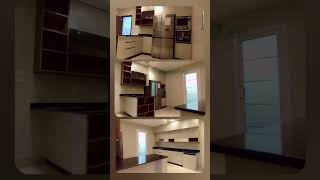
The video discusses the importance of kitchen design, emphasizing how design flaws or poor calculations can lead to appliance malfunctions and inefficiencies. It highlights the need for proper dimensions, ventilation, and integration of appliances within the kitchen layout.
The video starts by mentioning that design flaws or poor calculations before implementation can cause appliances to malfunction or decrease in efficiency.
The shape of the kitchen and its appliances should be in harmony, with dimensions adjusted according to manufacturing requirements.
Examples of design problems include the refrigerator not fitting, door not opening fully, friction with the wall, overheating due to poor ventilation, and insufficient space for cleaning or disconnecting electricity.
The same principles apply to washing machines, stoves, built-in ovens, microwaves, sinks, and other appliances. The design determines dimensions and integration with appliances.
The design also involves the movement or working zone, ventilation, plumbing and electrical distribution, plastering, and other aspects.
Proper kitchen design is crucial to avoid appliance malfunctions and ensure efficiency. It requires careful consideration of dimensions, ventilation, and integration of all appliances.
What can cause an appliance to malfunction or decrease in efficiency?
A design flaw or poor calculations before implementation.
00:03
What should be in harmony in kitchen design?
The shape of the kitchen and its appliances.
00:35
Give an example of a refrigerator design issue.
The refrigerator door doesn't open fully or it overheats due to poor ventilation.
00:48
Which appliances are affected by design principles?
Washing machines, stoves, built-in ovens, microwaves, sinks, and other appliances.
01:01
What does the design determine regarding appliances?
The dimensions of the units and their integration with the appliances.
01:01
Design Flaws Cause Malfunctions
Highlights the direct consequence of poor design on appliance functionality.
00:03Harmony in Design
Emphasizes the aesthetic and functional balance needed in kitchen design.
00:35Refrigerator Placement Example
Provides concrete examples of design pitfalls, making the concept tangible.
00:48Universal Applicability
Shows that design principles apply to all kitchen appliances, not just one.
01:01[00:03] due to a design flaw or poor calculations before implementation. implementation. [Music] [Music] [Music]
[00:35] which is the shape of the kitchen and its appliances, with a sense of harmony. Of course, it also involves adjusting the dimensions of all appliances according to manufacturing requirements. For example, an appliance might malfunction or its efficiency might decrease due to a design flaw or poor calculations before implementation. Take the refrigerator, for instance. After we've created a
[00:48] design, we might find that it doesn't fit in its place, or the refrigerator door doesn't open fully, or there's friction between the door and the wall when opening it, or it overheats due to poor ventilation, and consequently, it might malfunction. The space in front of it might not be enough to open the door in narrow kitchens, and to clean it or
[01:01] connect and disconnect the electricity, we have to remove it from its place to disconnect the household. We can apply this to all appliances, such as washing machines, stoves, built-in ovens, microwaves, sinks, and other appliances. The design determines the dimensions of the units and their integration with the appliances; more precisely, it's a triangle. Movement or working
[01:16] zone, ventilation, plumbing and electrical distribution, plastering, and many other things that



⚡ Saved you 0h 01m reading this? Transcribe any YouTube video for free — no signup needed.