Why US Foods Are Banned Abroad
45sThe shocking contrast between American food abundance and declining health, plus the mention of RFK Jr., creates immediate curiosity and controversy.
▶ Play Clip Gravity Transformation - Fat Loss Experts
"The title accurately reflects the content, as the video lists numerous U.S. foods that are banned or restricted in other countries, though it's slightly exaggerated as not all are universally banned."
The video examines why many common American foods are banned in other countries due to potentially harmful ingredients. It argues that widespread use of synthetic dyes, growth hormones, trans fats, and other additives in the U.S. food supply may contribute to the country's high chronic disease rates. The presenter highlights specific products and their banned status overseas, urging viewers to be more cautious about what they eat.
Many foods sold in U.S. stores are prohibited in other countries because of ingredients deemed unsafe for human consumption.
Little Debbie Swiss Rolls are banned in Austria and Norway due to synthetic dyes like Yellow #5 and Red #40, linked to hyperactivity and potential carcinogenic risks.
Yellow #5 is found in Doritos, Cheetos, M&Ms, mac and cheese mix, and many other snacks, not just Swiss Rolls.
American meat and dairy products are banned in the EU because of growth hormones like rBGH and overuse of antibiotics, linked to cancer and antibiotic resistance.
Mountain Dew contains bromine, also used in flame retardants, and is banned in Europe and Japan due to links to hormonal disruption and organ damage.
Skittles use titanium dioxide as a whitening agent, classified as a potential carcinogen in the EU and banned there, but allowed in the U.S.
Pop Tarts are banned in Austria and France because of partially hydrogenated oils (trans fats), linked to heart disease. They also contain artificial dyes.
Certain Gatorade flavors are banned in Europe and Japan due to bromine and synthetic dyes; the same company sells a different formula abroad.
Fruit Loops are banned in France and Norway due to high sugar content and synthetic dyes, reflecting stricter regulations on children's food.
Ritz crackers are banned in Switzerland and Austria due to partially hydrogenated oils, while U.S. regulations move slowly on trans fat bans.
Pillsbury biscuits contain potassium bromate, classified as a carcinogen and banned in Europe, Canada, and others, but still allowed in the U.S.
The presenter hopes the FDA will follow other countries in banning these harmful additives, including known carcinogens like potassium bromate.
The video concludes that many common American foods contain ingredients banned in other countries due to health risks. The presenter encourages viewers to avoid these products and supports regulatory changes to improve the U.S. food supply.
Why are Little Debbie Swiss Rolls banned in Austria and Norway?
Because of synthetic dyes Yellow #5 and Red #40, linked to hyperactivity and potential carcinogenic risks.
01:27
What is the concern about bromine in Mountain Dew?
Bromine is a chemical also used in flame retardants, linked to hormonal disruption, neurological issues, and organ damage.
03:15
Why is titanium dioxide banned in the European Union but allowed in the U.S.?
The EU classified it as a potential carcinogen in 2022, while the U.S. argues the amounts used in food are minimal.
04:45
What health risks are associated with partially hydrogenated oils (trans fats)?
They raise LDL cholesterol, lower HDL cholesterol, and increase the risk of heart disease and inflammation.
06:08
Why are U.S. meat and dairy products banned in the European Union?
Because of the use of growth hormones like rBGH and concerns about antibiotic resistance.
02:33
What additive in Pillsbury biscuits is classified as a carcinogen and banned in Europe?
Potassium bromate.
08:58
What regulatory stance has the FDA taken on trans fats compared to other countries?
The FDA significantly reduced permissible use of trans fats but did not fully ban them, allowing some products to still contain them.
05:52
U.S. foods banned abroad
Reveals a stark contrast in food safety regulations between the U.S. and other developed nations.
00:41Synthetic dyes in common snacks
Demonstrates how widely used and potentially harmful additives like Yellow #5 are in American processed foods.
01:27U.S. meat and dairy restrictions
Shows that even basic food groups like meat and dairy are subject to bans due to hormone and antibiotic use.
02:33Bromine in soda
Highlights the surprising presence of a flame retardant chemical in a popular drink.
03:15Potassium bromate in biscuits
Criticizes the FDA for allowing a known carcinogen in food while other countries ban it.
08:58[00:00] When you grab a snack off the shelf, the last thing you're thinking is that it's going to somehow hurt you. Yet six out of every ten Americans have at least one chronic disease, and the United States has one of the highest rates of cancer compared to other developed nations.
[00:14] While factors like obesity and low activity levels definitely play into this, there's no doubt that a lot of the foods that are sold and consumed in America are not exactly good for our health. Although we have more food abundance than almost any other
[00:26] country in the world, and even though our stores are lying, with the seemingly endless variety of colorful, flavorful foods and snacks, the overall health of the average American man and woman has continued to decline. Coincidentally, many foods that sit on our shelves here in America
[00:41] are prohibited in other countries due to the use of ingredients deemed unsafe for human consumption. Recently, RFK Jr. has shined a spotlight on the Food and Drug Administration and has vowed to crack down on foods and ingredients that he blames for much of the unhealthy state of Americans,
[00:57] including ultra-process foods and food additives. So today I want to go over some foods and snacks, as well as ingredients that you may want to avoid or at least limit because they're already banned in many other countries. So first we have Swiss rolls, which contains certain ingredients that are
[01:12] illegal in other countries, but are in a ton of other American foods that I'm about to list off for you. Many of which you're probably eating because you just can't get away from these ingredients. I'm talking about synthetic food dyes. Little Debbie Swiss rolls are banned in countries like
[01:27] Austria and Norway due to their use of dyes, including yellow number five, also known as tartarazine and red number four, also known as alure red. These dyes have been associated with hyperactivity in children and potential carcinogenic risks. European countries try to stay away from these synthetic
[01:44] dyes and instead use natural coloring agents. On the other hand, in the US, these additives are allowed while requiring a disclaimer for potential adverse effects. The part that makes this worse is that tartarazine or yellow five is used in many other products other than just Swiss rolls.
[02:00] Almost any snack or packaged product that has a bright yellow or orange tint uses yellow number five. This includes Doritos, Cheetos, cheddar potato chips, cheesets, yellow colored sodas, many candies like M&Ms and even macaroni and cheese mix. These foods are obviously heavily processed,
[02:17] so it may not be that surprising to find them on this list, but one food group that you're probably not expecting on this list is US meats and dairy products. That's right, other countries don't want products that come from our factory farming practices. American meat and dairy products face bands across
[02:33] the European Union as well as many other countries due to the widespread use of growth hormones and antibiotics. Hormones such as RBGH are used in the US to increase milk production in cows. However,
[02:45] in Europe, these hormones are banned due to concerns about their potential links to cancer and other serious health issues. Not only are these other countries fearful of chronic health risks, but they're also worried about the overuse of antibiotics and livestock leading to antibiotic
[02:59] resistance. If other countries have banned US meat and dairy imports, it's definitely worth it to try to go for pasture raised and grass fed sources of meat and dairy, which usually prominently display that they avoid the use of antibiotics and hormones right on the package. Next is Mountain
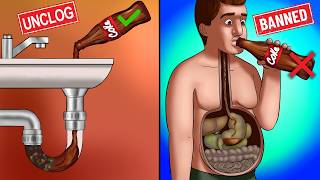
[03:15] Dew. Mountain Dew is one of America's most popular sodas and while this green-looking soda might taste great, it contains bromine, which is a chemical also used in flame retardants. These are chemicals used to reduce the flammability of materials such as plastics, fabrics, and furniture. For example,
[03:30] brominated flame retardants, also known as BFRs, are added to electronics or household items to prevent fires from starting or spreading. While they serve an important safety purpose, chemicals like bromine have been linked to health risks such as hormonal disruptions, neurological issues,
[03:46] and potential damage to internal organs like the thyroid and liver. This is why bromine is banned across Europe and Japan. Meanwhile, the FDA permits it to be used as a food additive while setting specific limits. Although the amounts used in drinks like Mountain Dew are considered low, cumulative
[04:02] exposure over a long time is a big concern for many regulatory agencies outside of the FDA. And BVO is used in many other foods and beverages. The interesting thing is that if the FDA was to
[04:14] crack down on bromine, the likely outcome would be the same as what has happened in other countries. PepsiCo, the parent company of Mountain Dew, has removed BVO from their products that they sell in markets with stricter regulations. Another food on our list that uses yellow number five is Skittles,
[04:30] but Skittles have an entirely different ingredient that has gotten banned in many other countries across Europe. This ingredient is titanium dioxide and is primarily used as a whitening agent. So it's used in some candies like Skittles to give them a brighter appearance. It also happens
[04:45] to be used in sunblock and sunscreen. So sure enough, it was classified as a potential carcinogen by the European Food Safety Authority in 2022. This classification led to its ban in food products throughout the European Union. Meanwhile, the US continues to allow titanium dioxide
[05:02] arguing that the amounts used in food are minimal and unlikely to pose significant risks. The issue, however, is that like other toxic ingredients, titanium dioxide is not metabolized by your body, so it can accumulate over time. In fact, some studies suggest that titanium dioxide
[05:18] nanoparticles can accumulate in the body potentially causing cellular damage, inflammation, and oxidative stress. Also, animal studies which don't directly translate to humans, but they show that prolonged exposure to titanium dioxide nanoparticles have been linked to DNA damage
[05:34] and effects on the immune system. Moving to our next ban food, we have Pop Tarts, which has been marketed as a staple American breakfast item. However, Pop Tarts are banned in other countries like Austria and France due to their use of partially hydrogenated oils. These are a source of trans fats,
[05:52] which have been conclusively linked to heart disease, so this led to bans in many countries. The FDA, on the other hand, took a different stance by significantly reducing the permissible use of trans fats. This allows companies to continue producing products like Pop Tarts and many baked
[06:08] desserts like cake with trans fats, while having alternative healthier versions of these products with zero trans fats in other countries. Trans fats increase the risk of heart disease by raising LDL cholesterol and lowering the good HDL cholesterol. They're also artificially created through
[06:24] hydrogenation and are linked to inflammation, artery clogging, and other health issues. Pop Tarts also contain artificial dyes like yellow number five, red number 40, so Pop Tarts are definitely not part of a healthy breakfast unlike what marketers want you to believe. Let's move on
[06:40] to a beverage that a lot of people associate with health and athletic performance, Gatorade. However, not only is regular Gatorade full of sugar making it a deceptive option if you're trying to burn fat,
[06:52] but many varieties carry the same issues as Mountain Dew due to another bromine concern. That's why like Mountain Dew certain Gatorade variants are banned in Europe and Japan. Flavors like lemon lime, orange, and other bright colored flavors also contain yellow number five
[07:08] and yellow number six. In many European countries, it's not like Gatorade has stopped selling beverages. They just sell a formula without bromine and synthetic dyes. The same would happen in America if they took a firmer stance on these potentially toxic ingredients. Another breakfast item that many
[07:24] countries don't like is fruit loops. Fruit loops and other similar breakfast cereals are banned in countries like France and Norway due to its high sugar content. These countries have taken a firm
[07:36] stance against excessive sugar due to its role in childhood obesity and the same synthetic dyes used in these candy type breakfast cereals are also linked to behavioral issues in children. The ban in Europe shows their commitment to combat rising obesity rates by offering healthier choices and limiting
[07:53] high sugar process foods to children. In the US, we have every possible variety of high sugar process cereal that so many children eat for breakfast day in and day out. These cereals nutrition facts are basically equivalent to pouring candy in your bowl. Many American breakfast cereals are also banned
[08:10] or restricted in European countries due to their use of BHT and BHA. Two preservatives that are used to extend shelf life but are classified as possible carcinogens. Another food with trans fats is Ritz crackers. Ritz crackers are banned in Switzerland and Austria due to their use of partially hydrogenated
[08:27] oils. Like I said earlier, these oils have been linked to cardiovascular disease and are becoming increasingly prohibited worldwide. The United States and the FDA knows this but despite the known risks, they've moved at a much slower pace to make regulatory changes. This is why French fries, cookies,
[08:42] cakes, pies, pastries, and donuts all use partially hydrogenated oils to extend their shelf life. I would argue that it's better to require companies to take these oils out of our foods completely even if it means decreasing shelf life to improve the health of the American population.
[08:58] Biscuits are our next food and not only do they usually contain trans fats but they're banned across Europe due to another additive that strengthens and improves the elasticity of the dough, potassium bromine. This ingredient can be found in many Pillsbury dough-like products like Biscuits. The crazy part is that
[09:15] potassium bromine is classified as a carcinogen by the International Agency for Research on Cancer and it's prohibited in Europe, Canada, and several other countries but not good old USOV. Here you
[09:27] guessed it, the FDA has taken the stance that the amount of potassium bromine does not exceed specified levels. I personally don't understand why any known carcinogens are used in our food and potassium bromine has specifically drawn a lot of negative attention and criticism of the FDA
[09:43] because it simply should not be allowed in our food. So those are some of the top foods that are banned outside the United States. Unfortunately, the list goes on. There are many other foods that contain some of the ingredients that I mentioned today. Hopefully in the near future there will be
[09:58] some changes made by the FDA to not allow some of these ingredients to be added to our foods. So that about wraps it up. I really hope that you enjoyed today's video. If you did, make sure you subscribe to the channel and if you'd like to start eating healthier food while losing some weight
[10:13] and body fat in the process but you don't have an exact plan, then try my free six-week shred. You'll get a personalized six-week workout plan, a personalized meal plan based on your preferences that comes with the recipe book and you'll also get a coach to help guide you through the entire
[10:28] program. To find out more, you can click the link in the description below or you can head straight on over to my website at gravitytransformation.com. I'll see you guys soon.
⚡ Saved you 0h 10m reading this? Transcribe any YouTube video for free — no signup needed.