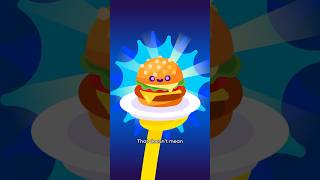

Processed food isn't poison?
44sChallenges a common belief with a surprising claim that ultra-processed food can still meet healthy guidelines.
▶ Play Clip"The title promises a debunking of processed food fears, and the video delivers a balanced, evidence-based take, though it could have gone deeper."
The video challenges the common belief that processed and ultra-processed foods are inherently harmful, arguing that many processed foods are safe and can even be nutritious. It highlights the role of preservatives in preventing foodborne illness and notes that frozen vegetables can retain more vitamins than fresh ones. The video concludes that while ultra-processed foods may have risks, processed food is not synonymous with poison.
Processed food is food that has been changed, like milk into yogurt or grain into bread. Adding ingredients not found at home, like synthetic colors, makes it ultra-processed.
Getting 90% of calories from ultra-processed food can still meet healthy eating guidelines, suggesting that processing alone does not make food unhealthy.
Many preservatives, such as benzoic acid and sodium nitrite, prevent mold and dangerous bacteria, potentially saving lives despite the negative connotation of chemicals.
Fresh spinach can lose up to half of its vitamin C before reaching home, while frozen vegetables retain nutrients for longer, making them a nutritious alternative.
While no single chemical or process is harmful alone, combinations can create food that is too easy to eat and hard to put down, posing potential risks.
Processed food is not inherently poisonous; it can be safe and nutritious, but moderation is key, especially with ultra-processed items.
What is the difference between processed and ultra-processed food?
Processed food is changed (e.g., milk to yogurt), while ultra-processed food includes additives like synthetic colors.
00:02
Can ultra-processed food meet healthy eating guidelines?
Yes, even 90% of calories from ultra-processed food can meet healthy eating guidelines.
00:16
What is the purpose of preservatives like benzoic acid and sodium nitrite?
They prevent mold and dangerous bacteria, protecting against food poisoning.
00:28
How much vitamin C can fresh spinach lose before reaching home?
Up to half of its vitamin C.
00:41
What is a potential risk of ultra-processed food?
It can be too easy to eat and hard to put down, leading to overconsumption.
00:55
Definition of Ultra-Processed Food
Clarifies a commonly misunderstood term, setting the stage for the debunking.
00:02Preservatives Save Lives
Challenges the negative perception of chemicals by highlighting their protective role.
00:28Frozen vs. Fresh Nutrients
Provides a practical, evidence-based tip that frozen vegetables can be more nutritious.
00:41[00:02] Processed food is just food that's been changed like milk into yogurt or grain into bread. When you add something you don't find at home like synthetic colors >> it's called ultra-processed food. But even then, getting 90% of your calories
[00:16] from this kind of food [music] can still meet healthy eating guidelines. Stuffing food with chemicals sounds bad, but many preservatives are there to protect you from food poisoning. Benzoic acid prevents [music] food going moldy while
[00:28] sodium nitrite keeps certain dangerous bacteria away. So, while not all chemicals are good for you, some could save your life. And fresh food isn't always more nutritious compared to frozen alternatives. For example, that
[00:41] fresh spinach in your fridge can lose up to half of its vitamin C before you even get it home. Frozen vegetables hold on to the good stuff for much longer. That doesn't mean ultra-processed food has zero risks. Even if no single chemical
[00:55] or process is harmful on its own, they can still add up to food that's [music] too easy to eat and too hard to put down. But processed doesn't mean poisoned. Hmm, what should we debunk next?

⚡ Saved you 0h 01m reading this? Transcribe any YouTube video for free — no signup needed.