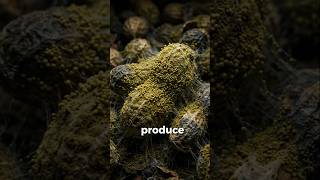

The Most Potent Carcinogen in Your Peanut Butter?
42sReveals the shocking truth that a common pantry staple may contain one of the most powerful cancer-causing substances, sparking immediate concern and curiosity.
▶ Play Clip"Delivers exactly what the title promises — a concise, factual breakdown of aflatoxin risks in peanuts."
This video explains the connection between aflatoxin, a toxic compound produced by certain molds on peanuts, and the risk of liver cancer. It highlights the classification of aflatoxin B1 as a potent carcinogen, the varying global risk levels, and the safety measures in place on regulated markets.
Certain molds growing on peanuts produce toxins called aflatoxins, with aflatoxin B1 being one of the most potent natural carcinogens.
The International Agency for Research on Cancer (IARC) classifies aflatoxin B1 as a Group 1 carcinogen for humans, meaning there is sufficient evidence it can cause cancer.
The risk is particularly evident for liver and gallbladder cancer, and people with pre-existing liver diseases like hepatitis are more susceptible. Globally, 5-28% of liver cancer cases are linked to aflatoxin exposure.
On regulated markets like the US, the FDA tests peanuts and peanut butter for aflatoxin. Buying from reputable brands and avoiding peanuts that look stale, moldy, discolored, or shriveled, as recommended by the National Cancer Institute, greatly reduces contamination risk.
While aflatoxin in peanuts poses a real cancer risk, especially in unregulated regions, consumers in regulated markets can significantly reduce their exposure by choosing quality products and following safety guidelines.
What are aflatoxins?
Toxins produced by certain molds growing on peanuts, with aflatoxin B1 being one of the most potent natural carcinogens.
00:03
How does IARC classify aflatoxin B1?
As a Group 1 carcinogen for humans, meaning there is sufficient evidence it can cause cancer.
00:17
What percentage of liver cancer cases worldwide are linked to aflatoxin exposure?
Between 5% and 28%.
00:30
Which group of people is more susceptible to aflatoxin-related cancer?
People with pre-existing liver diseases such as hepatitis.
00:30
What does the FDA do to reduce aflatoxin risk in the US?
It tests peanuts and peanut butter for aflatoxin contamination.
00:45
Group 1 Carcinogen
This classification underscores the scientific consensus on aflatoxin's cancer-causing potential.
00:17Global Cancer Burden
The 5-28% range highlights the significant but variable impact of aflatoxin on liver cancer rates worldwide.
00:30Regulatory Protection
Demonstrates how market regulation can effectively mitigate a public health risk.
00:45[00:03] могут быть связаны с воздействием афлатоксина. Некоторые грибы, растущие на арахисе, вырабатывают токсины, называемые афлатоксинами. А один из его видов, афлатоксин B1, является одним из самых мощных канцерогенов в природе. Фактически, Международное
[00:17] агентство по исследованию рака (IARC) классифицирует его как канцероген первой группы для человека. Это значит, что у нас достаточно доказательств, чтобы утверждать, что это может вызывать рак. Риск особенно очевиден для рака печени и желчного пузыря. А люди, у которых
[00:30] уже есть заболевания печени, такие как гепатит, еще более подвержены этому. Во всем мире от 5 до 28% всех случаев рака печени связаны с воздействием афлатоксина. Риск, однако, сильно различается в зависимости от места проживания. На
[00:45] регулируемых рынках, таких как Соединенные Штаты, Управление по санитарному надзору за качеством пищевых продуктов и медикаментов (FDA) проводит тестирование на наличие афлатоксина в арахисе и арахисовом масле. Таким образом, если вы покупаете арахис известных брендов и избегаете арахиса, который выглядит несвежим, заплесневелым, изменившим цвет или сморщенным, как рекомендует
[00:58] Национальный институт рака, то вероятность загрязнения очень мала. out the full video, link in the description.
⚡ Saved you 0h 01m reading this? Transcribe any YouTube video for free — no signup needed.