
AI Summary
This video explores the ancient Greek snack Ytrion, a honey and sesame treat that has remained essentially unchanged for 2,500 years. It traces the snack's mentions in classical literature, from Sophocles to Athenaeus, and provides historical context alongside a modern recipe.
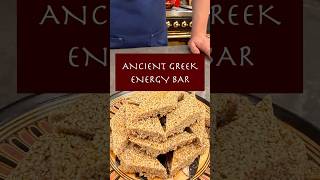
Ytrion is an ancient Greek snack made from honey and sesame seeds, identical to the modern Greek pasteli. The only change over 2,500 years is the name.
Playwright Sophocles, author of Antigone and Oedipus Rex, wrote about Ytrion in his play 'Eris,' expressing a longing for the treat. Only 7 of his 120 plays survive in complete form.
About 250 years after Sophocles, Athenaeus wrote about Ytrion in 'The Deipnosophists,' describing it as a delicate cake of sesame and honey served at banquets attended by great thinkers.
Lyric poet Anacreon mentioned breakfasting on crisp Ytrion with wine. The video warns that making Ytrion involves boiling honey, which can cause serious burns if mishandled.
Once the honey mixture cools and is sliced, the treat is safe to enjoy. The video also mentions a full video on Ytrion, including discussion of Greek hoplites, available on YouTube.
Ytrion is a remarkable example of culinary longevity, a simple honey-sesame snack that has delighted people for millennia. The video blends history, literature, and practical cooking advice to bring this ancient treat to life.
Mentioned in this Video
💡 Key Takeaways
Culinary Longevity
Demonstrates that a simple recipe can survive millennia virtually unchanged, offering a tangible link to ancient daily life.
Literary Evidence
Shows how classical texts provide concrete evidence of ancient foods, bridging literature and gastronomy.
00:14Safety Warning
Highlights the practical danger of boiling honey, a relevant tip for anyone attempting the recipe.
01:07Full Transcript
[00:00] This is the ancient Greek snack, Ytrion, made from honey and sesame seeds. And if you've ever had the modern Greek pasteli, it is the same thing. The only thing that's really changed over the last 2500 years is the name. The playwright Sophocles, best known for Antigone and Oedipus Rex,
[00:14] wrote about Ytrion in a play called Eris, where he included some tragic longing for this simple treat. He wrote, But I, being hungry, gaze again toward the Ytria. Sadly, out of the 120 plays that he wrote, only seven exist in their complete forms today,
[00:27] so who knows what other urine-worthy foods just didn't make it down to us through the years. Now about 250 years after Sophocles, Atheneus wrote about Etreon in his great work, The Deipnosophiste, where he tells his friend Timocrates about a series of banquets attended
[00:40] by the great thinkers of ancient Greece. The dinner conversation included philosophy, history, politics, and of course, food, including Etreon. He says that it is a delicate cake made of sesame and honey, and Anacreon, a lyric poet known for his drinking songs and erotic poems,
[00:55] said that I breakfasted on a bit of crisp ytrion, breaking it off, and drank a jar of wine. But I would forgo the wine, at least until after you've prepared your ytrion, because it does include the boiling of honey, and you should be sober for that,
[01:07] because if you've ever accidentally gotten molten honey on your skin you'll know exactly what I mean. But once it's cooled and sliced, then you can grab your wine and enjoy this sweet treat which has been with us for over 2500 years. The full video on ytrion, where I also
[01:20] talk about the Greek hoplites, is up on YouTube and this recipe is at tastinghistory.com