AI Summary
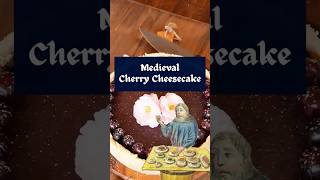
This video presents a 600-year-old cheesecake recipe from 15th-century Italy, attributed to Maestro Martino. The recipe features a unique blend of ingredients like ricotta, parmesan, dark cherries, and rose water, offering a taste of medieval luxury. The video explores the historical context of these ingredients and concludes with a taste test, declaring the dessert a timeless success.
Chapters
The recipe is from the 15th century, attributed to Italian master Martino, and is described as very medieval despite Italy's Renaissance era.
The cheesecake includes ricotta, parmesan, dark cherries, crushed roses, and rose water, a flavor profile different from modern cheesecakes.
The spices and floral flavors were expensive and a sign of wealth, as they were imported over thousands of kilometers by spice merchants.
The term 'grocer' comes from the French 'en gros', meaning buying in bulk, which was how these expensive spices were purchased.
The cherry flavor dominates the cake, and the creator believes this is how it was meant to taste, calling it a remarkable dessert that still appeals to modern tastes.
The video successfully brings a 600-year-old recipe to life, offering a unique blend of history and culinary adventure that proves some tastes are truly timeless.
Mentioned in this Video
Study Flashcards (4)
How old is the cheesecake recipe featured in the video?
easy
Click to reveal answer
How old is the cheesecake recipe featured in the video?
The recipe is from the 15th century, making it 600 years old.
00:02
Who is the recipe attributed to?
medium
Click to reveal answer
Who is the recipe attributed to?
The recipe is attributed to the Italian master Martino.
00:02
What are the main ingredients in the medieval cheesecake?
medium
Click to reveal answer
What are the main ingredients in the medieval cheesecake?
Dark cherries, ricotta, parmesan, crushed roses, and rose water.
00:15
What is the origin of the word 'grocer'?
hard
Click to reveal answer
What is the origin of the word 'grocer'?
The term 'grocer' is derived from the French phrase 'en gros', which meant buying in bulk.
01:10
💡 Key Takeaways
600-Year-Old Recipe
Establishes the video's unique historical premise and piques curiosity.
00:02Spices as Status Symbols
Explains the economic and social significance of the ingredients, adding depth to the recipe.
00:42Manual Cherry Pitting
A relatable, humorous anecdote that humanizes the cooking process.
00:15Timeless Flavor
Concludes that the dessert's flavor has stood the test of time, making it relevant today.
01:23Full Transcript
[00:02] крайней мере, рецепт чизкейка, которому 600 лет . Рецепт взят из итальянской маэстро Мартино, написанной в XV веке. И хотя к тому времени Италия уже вступала в эпоху Возрождения, этот рецепт очень средневековый. Хотя на
[00:15] современным чизкейком. Но помимо сыра рикотта, в рецепте также используется пармезан, . Но главным ингредиентом на самом деле являются темные вишни, которые я по глупости решил удалить из них косточки вручную с помощью палочки для еды. Мне действительно следовало купить приспособление для
[00:29] удаления косточек из вишни, потому что вишневый сок пачкал мне пальцы примерно неделю. Помимо вишни, в состав пирога входят измельченные розы, розовая вода, перец. Безусловно, это несколько иные вкусы, чем те, что вы найдете в современном
[00:42] чизкейке, но наряду с сахаром и специями, это были фирменные вкусы деньги, потому что они были недешевы. продавались торговцами перцем или специями. Эти торговцы закупали дорогостоящие импортные
[00:57] путь в тысячи километров, и приобретали их оптом. Много килограммов перца и корицы поступает из Индии и других стран. Поскольку их закупали оптом, французы часто говорили, что они покупали en gros,
[01:10] что в среднеанглийском языке звучало как en gros. Благодаря этому они стали известны как бакалейщики и продавали продукты питания. Так что в следующий раз, когда вы будете покупать 50 фунтов так это делали в Средние века, вроде бы». Даже с добавлением розы и
[01:23] розовой воды, вкус этого торта в подавляющем большинстве случаев определяется вишневым ароматом, я думаю, что именно таким он и должен был быть. Это действительно замечательный десерт, и даже спустя 600 лет он по-прежнему соответствует современным вкусам, моим современным вкусам. Чтобы узнать
[01:36] в Средние века, посмотрите видео на YouTube, а этот рецепт я on YouTube, and I will put this recipe up on tastinghistory.com.