

Why Staying in Your Hometown Kills Your Wealth
44sChallenges a common lifestyle choice with a compelling geographic arbitrage argument that many viewers haven't considered.
▶ Play Clip"Delivers on the promise with concrete examples and data, though some points are common knowledge."
The video identifies and explains several major financial mistakes that can significantly hinder wealth accumulation during one's 20s and 30s. It covers topics such as staying in a low-opportunity city, overfunding emergency funds, divorce, lifestyle inflation, prioritizing salary over equity, staying out of the market, sunk cost loyalty, high-interest debt, and buying new cars. The presenter provides data and personal anecdotes to illustrate each point, emphasizing the importance of intentional financial decisions.
Living in a city with lower salaries and fewer career opportunities is a major wealth killer. Geographic arbitrage—moving to a city with higher median income—can significantly increase lifetime earnings. Examples: Kansas City median household income is $69K, while Austin is $90K and San Francisco is over $135K.
Keeping too much cash in savings beyond 3-6 months of expenses incurs opportunity cost. For example, $40K extra in a high-yield savings account at 3.5% instead of invested at 8-9% could cost about $145,000 over 20 years.
Divorce is financially devastating, with costs potentially reaching $50,000-$100,000 or more. The US has a 40-50% divorce rate, and second and third marriages have even higher rates (60% and 73%). Only 15% of couples sign prenups. Hidden costs include refinancing, selling assets, splitting retirement accounts, and legal fees.
Comparing yourself to others and spending to project wealth leads to financial ruin. The '30K millionaire' phenomenon describes people who act rich but have little savings. True wealth is often built by those who don't flaunt it.
Choosing a higher base salary over equity can be a mistake, especially at startups or companies with growth potential. A single good equity outcome can outperform a decade of salary. Evaluate equity by calculating percentage ownership and potential company valuation.
Waiting to invest or trying to time the market is a guaranteed way to miss out on gains. Missing the 10 best days in the S&P 500 from 1996-2025 would reduce gains by 56%, and missing the 30 best days would reduce gains by 84%.
Staying at a job too long due to comfort or loyalty can limit salary growth. Job switchers often see earnings jumps of over 11%, sometimes over 30%. Switching jobs every 1-2 years can reset base salary and boost lifetime earnings.
Credit card debt with APRs over 10% (average 22.11%) is a major wealth killer. On a $10,000 balance, you'd pay about $185 in interest per month. Avoid carrying high-interest debt to free up money for investing.
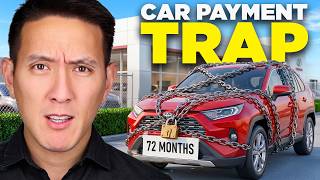
New cars depreciate quickly and come with high payments and hidden costs. The average new car payment is over $750/month, while a used car payment is $537/month. Investing the $213 difference over 10 years could yield over $45,000.
Avoiding these common wealth killers—such as staying in low-opportunity cities, overfunding emergency funds, divorce, lifestyle inflation, and high-interest debt—can dramatically improve your financial trajectory. Making intentional choices about where you live, how you invest, and what you buy is crucial for building long-term wealth.
What is the median household income in Kansas City, Austin, and San Francisco?
Kansas City: $69,000; Austin: $90,000; San Francisco: over $135,000.
01:25
How much can an extra $40,000 in a savings account cost you over 20 years compared to investing?
About $145,000 in opportunity cost.
03:26
What is the divorce rate for first, second, and third marriages in the US?
First: 40-50%; second: 60%; third: 73%.
04:31
What percentage of married couples report signing a prenup?
Only 15%.
04:57
What is the average APR for credit cards as of 2026?
22.11%.
14:06
How much would you pay in interest per month on a $10,000 credit card balance at 22.11% APR?
Roughly $185.
14:06
What is the average price of a new car in 2026?
Over $51,000.
14:46
What is the average monthly payment for a new car vs. a used car?
New: over $750; used: $537.
15:00
How much could investing the $213 monthly difference between new and used car payments yield in 10 years?
Over $45,000.
15:28
What is the '30K millionaire' phenomenon?
Someone who acts like they make millions but spends all their money on appearances, leaving little savings.
07:14
Geographic Arbitrage Example
Concrete salary comparisons show how moving cities can significantly boost income.
01:25Opportunity Cost of Cash
Quantifies the long-term cost of holding excess cash, making the point actionable.
03:26Divorce Statistics
Highlights the high financial risk of divorce, especially for second and third marriages.
04:3130K Millionaire Concept
A memorable term that encapsulates the danger of lifestyle inflation.
07:14Missing Best Days
Data shows the dramatic impact of missing the market's best days, reinforcing the importance of staying invested.
10:32Job Switching Earnings Boost
Cites a LendingTree study showing job switchers earn over 11% more, encouraging proactive career moves.
12:59[00:02] of the right things financially, but he still felt like he was starting over at age 50. That's because the biggest wealth killers aren't always about what decisions that can drain your bank account without you even realizing it.
[00:16] to avoid in your 20s and 30s, and I promise that there are at least a few other personal finance channels. The first wealth killer that I wanted to talk about today is just staying in the wrong city, and this is one that nobody
[00:30] be one of the most important financial decisions that you can make. If you grew of industries that align with what you want to do in your career, or perhaps the median salary in your city is dramatically lower than what you could
[00:44] staying there, you are costing yourself money. A city that's good for your wealth usually has a few parameters. So, number one, it has really good career quality people. You want to surround yourself with people that are as
[00:58] to yourself. If you're able to start in a city with a competitive salary, that's compound that over time, that's going to amount to a lot of wealth in your lifetime. The first salary that you ever get will become the anchor to every
[01:11] salary negotiation that you have in the future. Pretend you live somewhere in Now, if you're from Kansas City, I'm not trying to throw shade at you. I'm just household income in Kansas City is $69,000 a year. If you were to move to
[01:25] Austin, Seattle, Boston, or San Francisco, the median jumps quite a bit. So, Austin has a median household income of $90,000 per year, and San Francisco is over 135K just as examples. Even if your cost of living goes up somewhat, if
[01:39] basically arbitraging the geographic difference in salary every year. A few years ago, I visited a gold factory in Switzerland out of all places, and what was really fascinating was that it was really close to the Italian border. What
[01:52] that worked in the factory were from Italy itself, and that was just across the border. They wanted to work in Switzerland because the wages in So, what you had were Italian workers going into a Swiss gold factory, and
[02:06] right across the border back to their hometown in Italy, where the cost of extreme example, but it's the same principle of geographic arbitrage. The other thing that's underrated here is your network. So, I really do feel like
[02:19] quality of your network and the people that you meet. The opportunities we get receive, all of that is going to be live. You can always move back to your hometown once you're established, but
[02:32] building your career in a low-opportunity city by default is a huge wealth killer that many people don't even talk about or think about, your 30s. The second wealth killer that we need to address is overfunding your
[02:45] guys watching right now might fall into this trap because you want to be good fund, you want to have between three to six months of living expenses saved up that in case you lose your job, you still have some sort of funds to rely on
[02:59] so that you can pay your bills, live your life, find a new job, etc. But, I personally know people that keep 80,000, 100,000, 167,000 just because number one, it makes them feel better, and number two, they like
[03:12] between them and a catastrophic emergency. But, when you have 16 to 24 months of expenses parked in cash or even more, that excess money is costing you money in terms of opportunity cost. Say your monthly expenses are $4,000 a
[03:26] month, a 6-month emergency fund would be $24,000, and a 16-month one would be The difference there is 40K, and that extra 40K sitting in a high-yield savings account at 3.5% instead of being invested in the market at roughly 8 to
[03:40] invested in the market at roughly 8 to 9% could cost you about $145,000 over 20 years. The point here is just to be intentional about how much you actually need. So, anything beyond 6 months that you're holding in cash just
[03:52] having a scarcity mindset. I definitely get if you want to be safe with your money, but just make sure you're not being too safe. All right, this next uncomfortable one on this list to talk about and that is divorce. Now, just to
[04:05] be up front, I am not married guys. I have no business lecturing anyone on get divorced three times as I mentioned earlier. I personally had a front row seat to two out of the three divorces. The first one was my mom's and the
[04:18] second was his third marriage. And every single time he got divorced, it set him back financially quite a bit. In fact, he would always tell me, "Son, I would divorced." And I think that really emphasizes the fact that finding a good
[04:31] partner is one of the most important decisions of your life. The US has the sixth highest divorce rate in the world with 40 to 50% of married couples filing for divorce. And the stat that's even crazier is that the second and third
[04:43] marriages have a divorce rate of 60% and 73% respectively. That means if you get divorced the first time, the likelihood that you get divorced a second or a think with all these divorces that people would get prenups, but that's
[04:57] only 15% of married couples report signing a prenup. Here are the top reasons for divorce. They include lack of commitment at 75%, infidelity at 60%, too much conflict at 58%, and as you can see here, financial problems, getting
[05:12] married too young sit between 37 and 45%. So, why is this such a wealth killer? Well, obviously the cost of the divorce itself is quite expensive. It can easily run you over $20,000. But the hidden costs of divorce are actually
[05:25] what add up to a lot more in my opinion. So, let's say for example, you own a that often means you have to refinance the house at whatever the current interest rate is, which as we've seen recently has not been good. The other
[05:37] and perhaps you're forced to sell it during a bad market and you could lose a retirement accounts, you have to split those and those require a specific court order and you might even face taxes and penalties for early withdrawals. Don't
[05:50] if you want to split up furniture or physical assets, that can take a toll. that was started during the marriage, that can get very, very complicated, too. If you add up all the hidden costs plus the normal cost of divorce via
[06:05] legal fees, it could run you up to 50 to $100,000 and even sometimes more if you that who you marry is unfortunately and fortunately one of the most your life. You want to get it right, but if you get it wrong, you could undo a
[06:20] your early years. The next wealth killer you'll probably encounter in your 20s a phrase in the financial world that's been around for decades, and it's called why this phrase has stuck around is
[06:34] fundamentally destructive behaviors that we all fall for. And that behavior is When you're going through life, it's natural to want to measure your own people appear to have, like your neighbors or your friends or just people
[06:49] on Instagram. But if you do that, that's when you've lost. A lot of what you see is what people want you to see, either in person or online, and that's usually they're aware of their image. All you see is a highlight reel, but what's
[07:01] someone's life is something that you don't really have access to. The new car might be leased, the designer clothes could be borrowed, and the apartment that looks super bougie and chic on Instagram might be taking up 60% of that
[07:14] person's take-home pay. So there's this term in Texas called the 30K millionaire and that's actually what we want to avoid being. A 30K millionaire is an acts like they make millions, essentially doing everything in their
[07:28] power to flex on other people. According to Urban Dictionary, quote, "Someone who table, but then they can't buy any drinks because they spent all the money The lesson here is that the people that look like they have money, they don't
[07:43] don't look rich are usually the ones that are mega rich. I personally think that if you've been building wealth for a long time by staying focused, you stay means, you're going to get wealthier than someone who is trying to constantly
[07:55] huge wealth killer, in my opinion, in your 20s and 30s, is optimizing for salary instead of equity, especially if you have access to equity. This one is startup or a company that offers stock-based compensation, but it's also
[08:10] general, as well. A lot of jobs these days, especially if you're working for a public company, a startup, or perhaps a company on its way to IPO, they're going total compensation. During the negotiation process, you usually have a
[08:24] little bit of flexibility here. You can either opt for a high base salary and less equity, or you can have more equity and less of a base salary. A lot of salary because they want that cash in hand, which gives them more cash flow
[08:36] and allows them to perhaps rent a nicer apartment, or perhaps inflate their thing, a single good equity outcome can actually outperform an entire decade of salary or more. Of course, this is very dependent on where you work. I
[08:49] is going to work for a company like SpaceX, Google, or Nvidia. But, in most equity at a mid-size to large company, and you believe in that company, it's my personal opinion that I think you should be taking more equity than cash, because
[09:03] equity. Now, of course, this all comes with a huge disclaimer, which is that you have to do your due diligence on the company itself, and if it's actually going anywhere. If your friend has a brand new startup run out of his garage,
[09:15] risk that comes with that role, and if you want cash or equity instead. When it potential equity is worth, I would do two things here. So, first, I would figure out what my equity is worth as a percentage of the company. If a company
[09:28] offers you 10,000 shares, that's not very meaningful unless you know how many shares are actually outstanding. But, if you do the math and figure out how much of equity, so you can get the total share count from your HR department or
[09:40] legal department. Uh hopefully, you can then figure out what percentage of the two, which is to figure out what your company is worth currently or what it will be worth in the future if it ever has a liquidation event or an IPO. If
[09:53] you own 0.1% of the company and your company ends up IPOing for say a hundred million dollars, then your equity is worth 0.1% of that or 100k. If you need you might want to watch the Shark Tank show because they actually often walk
[10:06] through evaluation numbers quite often. And I think if you watch that show repetition. The next wealth killer is staying on the sidelines when it comes returning viewer on this channel, you've probably heard me talk about this
[10:18] concept before. When we wait around to invest, that's the most guaranteed way of not making any money. Here's the hypothetical growth of $10,000 invested in the S&P 500 index from 1996 to 2025. You can see that if you're fully
[10:32] would be over $192,000, but if you miss just the 10 best days in that time period, your gains would be 56% less. And the chart actually gets best days, your gains are 74% less, and
[10:46] looking at 84% less gains. Your portfolio growth is influenced heavily by being invested on the best performing days of the market, so you really can't afford to lose any of those best days. Unless you are retiring soon and need to
[10:59] often better to simply try to stay in the market as long as you can rather than trying to time it for dips. I think so often many people just stay in cash market cools off a bit. I have a lot of friends that do this, but I think that
[11:12] if they aren't at least earning the same rate as inflation, then their purchasing itself. If you don't want to invest for whatever reason, at the minimum, you account while the interest rates are decent. Now, speaking of something
[11:25] huge wealth killer and it's something called sunk cost loyalty. This wealth a job longer than you should just because it's comfortable, familiar, or you work with. But, being loyal can
[11:40] if you stay at a company too long and they're only giving you, let's say, a 3 to 5% raise every single year, you're just not going to make that much money, where you started off with a low base salary. Let's say you got a job out of
[11:53] college and you worked at, say, the Marriott Hotel Group and you started off with a salary of $60,000 per year. Corvette, every 2 years they will give you a cash raise of 3%. You work there for 10 years and at the end of those 10
[12:06] years, your salary is $70,000 a year. And that's not really a big pay bump, especially if you've been working for some place for 10 years. For me personally, I wasn't the type of person to go into my boss's office and demand a
[12:18] was just lucky enough to have a job, especially because I graduated around the financial recession of 2008. And I'm sure many of you probably feel this way, that have been happening in America right now. You probably don't want to
[12:31] the reality is that companies are just not running around trying to give you raises left and right. They are going to give you exactly what they have to and for a raise or stick up for yourself, you're just volunteering to give up your
[12:45] potential value. One other strategy you could perhaps try to get out of this every couple of years, especially if you're at the beginning of your career. reset the base salary when you do your negotiations and usually this will
[12:59] study from LendingTree, workers who switched jobs saw their average earnings jump over 11% and in some cases even upwards of over 30%. The idea here is that you want to be switching every 1 to 2 years so that you either go laterally
[13:13] in job title and increase your pay or you go laterally in terms of pay Either way, as long as you're consistently doing this and increasing your job title or your pay, by the time you are in your mid to late 30s, your
[13:26] times, and your wealth can continue its own growth. The next wealth killer on our list today is, you know it quite well, it's called debt, especially high you get into the wrong kinds of debt. Now, there are some cases in which
[13:39] borrowing money is actually okay, and I believe that not all debt is bad. I would argue that getting a mortgage to buy a home or getting a student loan for a degree that pays off later, these are calculated uses of leverage. In these
[13:51] something that should appreciate or in those cases I think that is pretty good debt. The problem in America is credit card debt or any debt that have an interest rate of over 10%. The
[14:06] average APR for credit cards is 22.11% as of 2026, [clears throat] and that means on a $10,000 credit card balance, you will pay roughly $185 in payment. And if you have to pay these interest payments, then obviously you
[14:20] can't use that money for anything else. Trying to build wealth for the future is of your money is going to go straight to interest. So, if you're in your 20s or 30s, I think one of the best financial decisions that you can make is to never
[14:32] carry high interest rate debt from month to month, and this is just going to save right, this next one you absolutely have to avoid, and it's a famous one on my car. If you've watched any of the other car videos on my channel, you will know
[14:46] because not only are you paying car payments, but you have to pay hidden costs as well. Insurance, maintenance, depreciation, and gas, those all add up over time. The average price of a new car in 2026 was over $51,000, which
[15:00] translates to a new car payment of over $750 a month, or that's about $9,000 a depreciation, the true cost of owning a car is easily over a thousand bucks a month. At an 8% average return, if you invested those payments instead, in 10
[15:15] years it would be worth over $213,000. But that argument isn't the best one because it also assumes that you would give up driving a car all together. So, instead, may I suggest that you drive a reliable used car instead because the
[15:28] average used car payment is $537 a month, which is $213 less per month than the same commute, and your life pretty much stays the same, but $213 a month invested over 10 years is worth over $45,000.
[15:43] That's 45K for doing nothing different except choosing a used car over a new one. Our society attributes status and prestige to having ride, and so much of of car that we drive. So, if that's the case and that's you and you still want
[15:56] makes a lot of sense to buy a car that has around 30,000 mi or is around 3 years used. You're still getting a great deal on the car, you're driving a car that's not too used, so it still seems brand new, and you're going to save
[16:09] So, out of all these wealth killers, which one do you identify with the most comments. If you enjoyed this video, you'll probably enjoy my video right here on the 10 things that are no longer worth your money in 2026. It was one of
[16:24] make sure to check it out right here. All right, special announcement today is that I have a new long-form YouTube show where I review my viewers' finances. If where I talk to three different people per episode about their personal
[16:38] to check that out right here. I personally think that you would really just enjoy that format, especially if you're listening to it in the car or the gym. I think that's a perfect place for that long-form show. So, I hope to see
[16:50] the channel. Thank you for being here. Peace.


⚡ Saved you 0h 16m reading this? Transcribe any YouTube video for free — no signup needed.