

Buying a New Car? You're 5 Years Behind
45sReveals a shocking financial truth that most people don't realize, prompting immediate engagement.
▶ Play Clip"Delivers on the promise with a clear financial argument, though the title is slightly sensationalized."
The video discusses the financial impact of buying a brand new car, highlighting the high costs and the opportunity cost of investing that money instead. It proposes buying a reliable used car as a financially smarter alternative, showing how the savings can compound significantly over time.
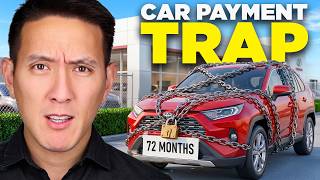
The average price of a new car is over $51,000, leading to a monthly payment of over $750, or about $9,000 a year. Including insurance and depreciation, the true cost exceeds $1,000 per month.
If the monthly payments were invested at an 8% average return, they would grow to over $213,000 in 10 years.
The average used car payment is $537 per month, which is $213 less than a new car payment. This savings, if invested, would be worth over $45,000 over 10 years.
The $45,000 gap represents about five years of investing for the average person, even if they invest $8,000 a year. Choosing a used car over a new one can set you back five years financially.
To save the most money, buy a reliable used car instead of a new one, as the savings compound significantly over time.
The video concludes that buying a reliable used car instead of a new one is a financially prudent decision, as the savings from lower payments can be invested and grow substantially, potentially setting you back five years if you choose a new car.
What is the average price of a new car?
Over $51,000.
00:01
What is the average monthly payment for a new car?
Over $750 per month.
00:01
What is the true monthly cost of owning a new car including insurance and depreciation?
Easily over $1,000 per month.
00:14
If you invested new car payments at an 8% return, how much would it be worth in 10 years?
Over $213,000.
00:14
What is the average used car payment?
$537 per month.
00:28
How much less is the used car payment compared to a new car?
$213 less per month.
00:28
If you invested the monthly savings from a used car, how much would it be worth in 10 years?
Over $45,000.
00:41
How many years of investing does the $45,000 gap represent?
About five years.
00:55
Opportunity Cost of New Car Payments
Illustrates the significant long-term financial impact of choosing a new car over investing.
00:14The Used Car Alternative
Provides a practical alternative that saves money without sacrificing lifestyle.
00:28The Five-Year Setback
Quantifies the financial setback in a relatable way, emphasizing the importance of the decision.
00:55[00:01] five years financially and most people don't even think twice about is buying a brand new car. The average price of a new car is now over $51,000, which translates to a new car payment of over $750 a month or about $9,000 worth of
[00:14] insurance and depreciation, the true cost of owning that car is easily over $1,000 a month. At an 8% average return, if you invested those payments instead, in 10 years it's worth over $213,000 if it's in the market. But of course,
[00:28] that assumes you drive nothing at all, but in most cases you're going to need a car. So what I propose is getting a reliable used car instead. The average used car payment is $537 a month, so it's $213 less per month than the new
[00:41] same commute and your life pretty much stays the same, but that $213 a month invested over 10 years is worth over $45,000. That's $45,000 for doing nothing except for choosing a used car over a new one, and this is what sets
[00:55] people five years back. Even if you invested $8,000 a year, which is two to the country of what people invest, the $45,000 gap represents about five years So the lesson here is simple, you want to buy a reliable used car, you want to
[01:10] anymore, and that will save you [music] the most money.


⚡ Saved you 0h 01m reading this? Transcribe any YouTube video for free — no signup needed.