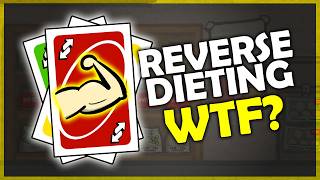

What is Reverse Dieting?
44sExplains a popular diet strategy clearly, making viewers curious about its effectiveness.
▶ Play Clip"The title accurately reflects the video's conclusion that reverse dieting is not a necessary or magical strategy, matching the content well."
Reverse dieting is a popular strategy for gradually increasing calorie intake after weight loss, claimed to reverse metabolic adaptation and hormonal changes. However, the video argues that while the mechanisms are plausible, there is no direct research supporting it, and the benefits come simply from ending a calorie deficit, not from the gradual approach. It concludes that reverse dieting is not a magical solution but can be a useful tool for structure and adherence.
Reverse dieting is a gradual and controlled increase of calorie intake after weight loss, e.g., adding 100-200 calories per week.
Prolonged deficits can slow metabolism (metabolic adaptation) and decrease leptin, affecting hunger and mood.
Increasing calories can reverse deficit-induced hormonal changes and elevate resting metabolic rate.
There is zero research specifically on reverse dieting; claims rely on mechanistic data and studies on refeeds/diet breaks.
Studies show that simply eating above a deficit is what matters, not the gradual pace of increase.
Reverse dieting can help with control, planning, and adherence, but has no metabolic magic.
What is reverse dieting?
A gradual and controlled increase of calorie intake after weight loss.
00:29
What is the supposed purpose of reverse dieting?
To reverse potential physiological damages caused by prolonged calorie deficits, such as metabolic adaptation.
01:14
What is metabolic adaptation?
Metabolic adaptation is a slowdown in metabolism to conserve energy during prolonged calorie deficits.
01:27
What hormonal change occurs during prolonged calorie deficits that affects metabolism?
Leptin hormone levels decrease, impacting metabolism, mood, and hunger.
01:27
Is there direct scientific research supporting reverse dieting?
No, there is essentially zero research specifically on reverse dieting.
02:45
Does the gradual increase of calories in reverse dieting matter for reversing metabolic adaptation?
It doesn't matter; the key is simply eating above a deficit, not the pace of increase.
03:19
What rating does the video give reverse dieting?
2.5 out of 5.
04:03
What are the potential non-metabolic benefits of reverse dieting?
It can help establish control and planning, avoid overeating, and improve mood and hunger levels.
04:03
Definition of Reverse Dieting
Provides a clear, concise definition of the core concept discussed in the video.
00:29Metabolic Adaptation Explained
Explains the key physiological mechanism that reverse dieting claims to address.
01:27Lack of Direct Research
Highlights a critical gap in evidence, undermining the strong claims made by proponents.
02:45Pace of Increase Doesn't Matter
Challenges the core premise of reverse dieting by stating that gradual increase is not necessary.
03:19Practical Rating and Advice
Offers a balanced, actionable verdict and suggests a 'try and see' approach with realistic expectations.
04:03[00:00] We all know how this feels. The struggle to not only lose weight, but also to keep it off. Both scenarios can be tough, but according to the trustworthy world of the internet, there's one popular strategy that makes both much easier. It's called reverse dieting.
[00:16] But does it actually work? Well, let's dig in a bit more and find out. When I first heard about reverse dieting, I had the same thought as everyone else, but believe it or not, it actually has nothing to do with Uno. In the most basic sense,
[00:29] reverse dieting is a gradual and controlled increase of calorie intake after weight loss. For instance, if you were eating 2,000 calories at the end of your diet, instead of quickly bumping up your calories right after, you start with a small 1-200 calorie
[00:44] increase and then add another 100 or so every week, 2,200, 2,300 and so on. At the same time, you're paying super close attention to your weight. When you stop losing or even add a bit of weight,
[00:56] you now establish your new maintenance calories. What you do next is up to you. Let's what's exactly the point of all this? Well, by reversing your calories this way, you're also supposedly reversing potential physiological damages caused by prolonged calorie deficits.
[01:14] Thing is, long periods of deficits and weight loss do tend to lead to fewer and fewer calories burned, and this partially has to do with a scientifically observed effect known as metabolic adaptation.
[01:27] With fewer calories coming in, our metabolism can potentially slow down in order to conserve energy. Additionally, leptin hormone levels decrease which further impacts metabolism along with mood and sensations related to nutrition satisfaction. In other words, you feel more hangry.
[01:43] We may even see changes in other hormones like thyroid, testosterone, and cortisol. All of this together, aka metabolic adaptation can make weight loss or even maintenance pretty tough, but again, reverse dieting can supposedly fix this. What's interesting is that the
[02:00] mechanisms in play do scientifically check out. Increasing calories have shown to reverse many deficit induced hormonal changes, especially with leptin. It has shown to elevate resting metabolic rates,
[02:12] close to, and sometimes even above baseline. In other words, increasing calories might very well fix metabolic adaptation, and many in the fitness world, especially in bodybuilding, addimally attest to this. So does that mean that reverse dieting is indeed this great magical strategy?
[02:31] A strategy? Yes, great. It depends. Magical? Well, just like asking if KO is delicious, the answer is no. First, let's immediately point out that there is essentially zero research specifically on reverse
[02:45] dieting. Basically, all the claims of its supposed benefits hinge entirely on those mechanistic data. But the thing is, hormonal changes and metabolic adaptation are pretty natural, intended effects in response to our nutrition. There's really no fixing needed because nothing's
[03:02] really broken. But more importantly, just as things can move in one direction, it can also easily move in the opposite direction. In this case, to reverse metabolic adaptation caused by a deficit, we just have to not be any deficit. Whether that's done immediately or gradually, like with reverse
[03:19] dieting, doesn't seem to matter. We know this, thanks to studies on refeed and diet breaks, which are also the studies referenced by supporters claiming reverse dieting works. These studies show that it's really all about eating above a deficit, which we do during
[03:34] diet breaks. Unfortunately, reverse dieting supporters forgot the parts where these studies also suggested that refeeds and diet breaks have no magical powers. We can say the same for reverse dieting. In the end, we just need to continue adhering to the foundational concepts of energy balance.
[03:51] Now with all this said, how would I then personally rate reverse dieting and what does it mean for you? Ultimately, reverse dieting gets 2.5 out of 5 pick fit points. Again, there's no metabolic
[04:03] magic happening here, but it does get some extra points for potentially helping in other ways. Reverse dieting can help establish a bit more control and planning over your diet, which can help with avoiding overeating after weight loss and give you a sense of direction
[04:18] to reach maintenance. Some also claim that reverse dieting specifically helped improve their mood and hunger levels. It's all subjective, but these can be extremely useful factors in keeping people invested and consistent with their goals, and that's pretty huge. Because of that, instead of ignoring
[04:35] it entirely, I think it's fair to take a more try and see approach with reverse dieting. Just keep your expectations in check, or you can just increase calories at any rates for the same effect, or use more proven weight loss strategies like eating smaller deficits, exercising more, and of course
[04:52] getting more protein. Now, if you're still on defense, then I definitely recommend reading the reverse dieting article written by the well-respected fitness expert Eric Trexler that covers this much more. I'll leave a link below. Finally, I'd love to hear from all of you that tried reverse dieting
[05:07] before, please let me know in the comments. Other than that, if you enjoyed this video, then please give it a double reverse thumbs up and share it with your diet loving friends. Subscribe for more, let me know what you think in the comments as always, thank you for watching, and don't forget to get your protein.
[05:26] Subscribe for more, please let me know what you think in the comments, please let me know in the comments.




⚡ Saved you 0h 05m reading this? Transcribe any YouTube video for free — no signup needed.