
The Science of Brown Sugar
45sExplains the chemistry behind brown sugar's formation and the hygroscopic trick to revive it, making viewers feel smart and eager to try it.
▶ Play Clip"Delivers exactly what the title promises — a quick, science-based tip with clear demonstration, no fluff."
This video explains the science behind making brown sugar and a simple trick to soften rock-hard brown sugar using a slice of bread. It highlights the role of molasses as a hygroscopic substance that absorbs moisture, which is key to both the sugar's texture and its restoration.
Sugar is derived from the juice of sugar cane or sugar beets. The process involves clarifying the juice, reducing it, and forming crystals. White sugar requires removing molasses, while brown sugar is made by leaving some molasses in or adding it back.
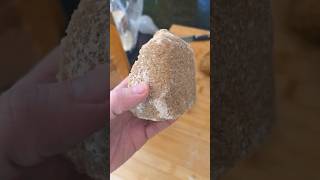
To soften rock-hard brown sugar, place it in an airtight container with a slice of bread. Molasses is hygroscopic, meaning it absorbs moisture from the bread, re-moistening the sugar overnight.
After 10-12 hours, the bread appears unchanged but has transferred moisture to the molasses. The molasses becomes fluid again, lubricating the sugar crystals and restoring the desired wet-sand texture.
The video demonstrates a practical, science-backed solution for reviving hardened brown sugar, emphasizing the hygroscopic nature of molasses as the underlying mechanism.
Hygroscopic Molasses
Explains the scientific principle behind the trick, making it applicable to other moisture-related food storage issues.
00:14Wet Sand Texture
Describes the desired final texture, helping viewers know what to expect.
00:43[00:00] Sugar is made from the juice of sugar cane or sugar beets. All you have to do is clarify the juice, reduce it down, and get crystals to form. But if you want pure sucrose crystals, okay, white sugar, well then you'll have to also remove the molasses. But if you don't remove it all, or if you put some back in, you've made brown sugar.
[00:14] If your brown sugar becomes rock hard, just put it in an airtight container with a slice of bread. That's all it takes, because molasses is hygroscopic. It absorbs moisture, and it will get just enough overnight with this slice of bread to become re-moistened.
[00:26] Have a good slumber party, guys. Okay, now it's the next day. It's been 10 or 12 hours. Let's take a look inside. The piece of bread looks and feels unchanged. It is still soft and squishy. You can't tell that anything's happened. But it has lent some of its moisture to the molasses coating the sugar crystals in our brown sugar.
[00:43] Now, instead of being dry and hard and locking the crystals together, the molasses can flow. It is now lubricating the sugar crystals. Ah, yes, that's the wet sand texture I know and love.
[00:55] I guess you could call this sweet science. Oh.


⚡ Saved you 0h 01m reading this? Transcribe any YouTube video for free — no signup needed.