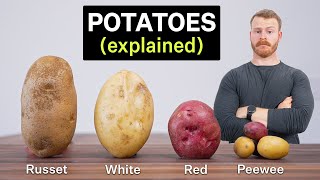

Why the Irish ate 10 lbs of potatoes a day
44sCombines a shocking historical fact with a relatable food staple, making it highly shareable.
▶ Play Clip"Delivers thorough information but the claim of 'changing how you think' is slightly overblown for a deep dive."
This video is a comprehensive deep dive into potatoes, covering their history, cultivation, molecular composition, and culinary applications. Through taste tests and scientific analysis, it explores the differences between varieties and provides practical advice for home cooks.
Potatoes originated in South America, were cultivated over 8,000 years ago, and spread globally after the Columbian Exchange. They became popular due to high yield, versatility, and long storage life.
Russets, whites, reds, and yellows are the main commercial types. Russets dominate US production (70% of acres) and are used by McDonald's for fries.
Potatoes consist of water (78-81%), starch (14-18%), protein (~2%), sugars (0.5-1.2%), and minerals. The ratio of amylose to amylopectin affects texture.
Sweet potatoes belong to the Morning Glory family, not the nightshade family. They contain amylase enzyme that converts starch to sugar during cooking, making them sweeter.
Heating starch with water causes granules to swell and absorb moisture, creating a unique texture. Different starch ratios in varieties explain texture differences.
The flavor of food is determined by taste, aroma, sight, texture, physical elements (temperature, pungency), and human element (emotion, nostalgia).
When cooked plain, potatoes have a neutral taste. The small differences in sweetness or bitterness are negligible in recipes with added ingredients.
Potatoes develop aroma through browning reactions (Maillard and caramelization). More skin and longer roasting increase aroma. Sweet potatoes have unique aroma due to sugar caramelization.
Texture is the most important factor when choosing a potato variety. Different cooking methods (frying, mashing, roasting) require different textures.
For fries, russets performed best; for mashed, red potatoes were smoother but prone to gumminess; Yukon Gold was good for mash but less crisp in fries.
Potatoes are a versatile ingredient whose differences in starch, moisture, and sugar content affect texture and browning. Understanding these properties helps home cooks choose the right variety for each dish.
What is the difference between potatoes and sweet potatoes botanically?
Potatoes are in the nightshade family, sweet potatoes are in the morning glory family.
10:35
What enzyme in sweet potatoes converts starch to sugar during cooking?
Amylase, activated above 135°F.
11:17
What are the five basic components of potatoes?
Water, starch, protein, sugars, and minerals/vitamins.
08:59
What is the typical ratio of amylopectin to amylose in potato starch?
3:1 (amylopectin to amylose).
15:20
Why do russet potatoes have a different texture than Yukon Gold when cooked?
Different ratios of amylose to amylopectin affect gelatinization and moisture absorption.
15:28
What are the six flavor properties discussed in the video?
Taste, aroma, sight, texture, physical elements, and human element.
17:55
How many pounds of raw potatoes would you need to eat to get toxic levels of solanine?
15 to 20 pounds.
19:10
Molecular Complexity of Potatoes
Reveals that 'waxy' vs 'starchy' is oversimplified; actual differences involve multiple factors.
08:47Amylase in Sweet Potatoes
Explains why sweet potatoes get sweeter when slow-cooked, a key cooking tip.
11:17Neutral Taste of Potatoes
Highlights why potatoes are a versatile canvas for flavors.
20:49Texture as Key Factor
Emphasizes that texture is the primary reason to choose one potato variety over another.
28:40Cooking Test Results
Provides concrete, test-based recommendations for home cooks.
37:36[00:02] into potatoes one of the most unique ingredients found in almost every cuisine around the world however even though potatoes are something we eat all the time it's an ingredient I have a lot of questions about for example what is
[00:15] the best potato for frying mashing or baking what's the starchy difference between russets yukon gold or red potatoes why are some potatoes purple in color and why are sweet potatoes called potatoes when they're from a completely
[00:28] different Botanical family so to answer these questions and many more this video is broken down into three sections first how are potatoes grown and why did they become popular second the five potato molecules every
[00:40] home cook should know and third how potatoes affect the six flavor fundamentals in the first section we'll dive into where potatoes come from how potato varieties that are commercially produced in the second section we'll
[00:54] break down the molecule differences in common potato varieties explain why sweet potatoes are different than regular potatoes and why waxy versus starchy is a pretty useless generic term lastly in the third section we will walk
[01:07] through the six flavor properties in order to understand how we use potatoes in our cooking and do several different tests comparing the taste Aroma and texture of various potato varieties from russets to Reds to Yukon Golds and by
[01:20] the end of this video I promise you'll understand when to use certain potato varieties in your cooking and how to get the most out of them before we dive in let me tell you about today's sponsor bombus and my
[01:33] theory when it comes to buying socks bombus makes Comfort Focus Basics such as socks underwears and t-shirts and for everyone purchase means one donated for those in need now when buying socks my theory is that they fall under two
[01:47] categories first are your everyday sock and secondly are your specialty socks for an everyday sock I just want them to be functional and comfortable so for me these are the bombus hextech allpurpose performance socks and I just load up
[02:01] with six of the exact same pair I want to keep it really simple for the laundry so I don't need to mess around with time matching them and then if I do lose one it's not as big of a deal now depending on your line of work maybe you're into
[02:13] bunch of dress socks for work but everybody needs a solid amount of everyday socks that they can rely on now the second category of socks are specialty socks these socks fit a specific use case like hiking knee high
[02:27] socks or a pair of comfy socks that you only wear during the winter and I'd recommend stocking up on both because new customers can use my code ethan2 or the QR code on screen to save 20% off your purchase and remember for every
[02:42] item purchase that means one donated so you help out those in need so thanks again bombas for sponsoring this video but now let's talk
[02:57] indigenous to the moist cool and mountainous regions of Central and South humans more than 8,000 years ago but remained a regional crop until the Colombian Exchange the Colombian Exchange was the widespread transfer of
[03:10] plants animals people cultures diseases and ideas between the Americas and the rest of the world following Christopher columbus' voyages in 1492 now similar to tomatoes when potatoes were first introduced to Europe
[03:25] they were kind of met with some suspicion but during the 1700s they because potatoes were a highly nutritious and high yield crop potatoes produce more calories per acre than most other staple crops such as wheat or corn
[03:40] for example at one point Irish peasants were said to consume 5 to 10 lounds of potatoes per day to meet their macronutrient needs however Reliance on a single crop like this is dangerous the Irish Potato Famine was caused by a mold
[03:55] infestation that killed the potato plants quote the infestation ruined to 1/ half of the potato crop that year and about 3/4 of the crop over the next 7 years over the next few hundred years until today potatoes spread to pretty
[04:09] much every country and cuisine around the world for Three core reasons first is the high yield and caloric density that we just talked about secondly is their culinary versatility now we're going to talk a lot about the culinary
[04:22] aspects of potatoes in that third section but for now I think our friend Sam sums it up best po potatoes boil them mash them stick them in a stew and third potatoes are relatively inexpensive and store for a
[04:37] long time in The Root Cellar so it just makes sense that they became very popular and how potatoes grow is really unique as you can already see these little Sprouts coming out of your potatoes and Kevin is going to tell us
[04:49] the plant above the ground is pretty unassuming but below the ground is where the magic happens when you see the humble potato growing above the ground it honestly doesn't look that impressive here's one right here that sprouted up
[05:01] year's crop and sometimes you could mistake this for a weed but of course it's what's going on underneath the soil that we care about when growing a potato but here's what you have to know they grow in a pretty unique way in that this
[05:14] is what you end up planting unlike most vegetable crops you do not plant what's called a true seed a little guy that you throw in the soil and Sprouts up you plant what's called a seed potato this is one right here this is called a red
[05:26] Norland variety I also have one called a sarpo ER but there's some really popular ones like russed Burbank or Yukon Gold but no matter what variety they're all planted in pretty much the same way you'll grab a potato like this there'll
[05:40] be these little indentations those are called the eyes and what will happen is those will do something called chitting or sprouting and when you see little sprouts come out that are about a/ inch to an inch in length you'll drop that
[05:52] potato into a hole maybe 4 in deep or so you can even dig a trench or plant it in you can even dig a trench or plant it in a 5 gallon bucket but the key is this as going to throw up growth that are going
[06:05] to come out of the soil like this but the potatoes are going to grow on what are called stolons coming out off of that underground growth so between where the potatoes planted and the soil surface and around this area is where
[06:19] those potatoes will form so you have to do something called healing you'll grab some soil and Mound it up around your potato as it grows or if you're growing in a bucket continue to fill that bucket up more and more with soil to boost your
[06:33] potato yield and the beauty of the potato is you can grow them pretty much from Spring all the way through fall with the right variety and the right [Music] technique now if you end up deciding to
[06:48] grow your own potatoes you can find tons of different varieties to plant however on a commercial level they generally fall under four broad categories this chart shows the 13 Top Potato producing states in the US and the four most
[07:02] common varieties that are grown here russet white potatoes red potatoes and yellow potatoes rusted potatoes are by far the most popular Variety in the United States as they account for 70% of planted Acres each year and to me this
[07:17] is pretty interesting that russets are so popular in the United States because Justin in the community post let me know that russets are primarily only available in North America the russet Burbank variety itself was bred over 100
[07:31] years ago and now all of the long white flesh russed potato varieties stem from that original and there are quite a few types of russed potatoes that can make it to the grocery store in fresh potatoes or a potato product McDonald's
[07:44] for example uses russet Burbank russet Ranger Umatilla russet and sheepy varieties for all of their french fries that are served around the world potatoes can be genetically engineered for processed food like chips fries
[07:57] whether they're fresh or frozen and products like potato starch or instant potatoes this means that certain kinds of potatoes are only accessible by corporations such as a fast food chain or a potato chip manufacturer where they
[08:10] will develop specific varietal of potatoes for a very certain texture depending on the product they are making for example one of the secrets that Alex found out in his potato chip series was that Brett's products uses
[08:24] the Lita Maria variety of potato and naturally this begs the question if company are willing to invest time money and Research into specific potato varieties what exactly are they changing inside of these things and then how
[08:38] different do they end up from a taste Aroma and texture standpoint well friends it is time for section two as building blocks of food and the molecules in a particular ingredient or
[08:52] dish dictate what types of reactions they can go through and what their flavor will be and potatoes are know no different all potato varieties are made up of five basic components water at 78 to 81% starch which is generally 14 to
[09:07] to 81% starch which is generally 14 to 8% around 2% protein5 to 1.2% for sugars and around 1% of trace minerals and vitamins for example here is the USDA data on the three most common potatoes in the United States the russet Yukon go
[09:21] and red potatoes and we can see there are some slight differences in the amounts for these various potatoes generally it is said that waxy pot potatoes have less starch more moisture and more sugar and starchy potatoes have
[09:33] higher starch less moisture and less sugar and if you look at these values it would seem to be that these are the ones they use to categorize potatoes into waxy versus starchy now you may look at these values and be like oh yeah makes
[09:46] sense that you know a starchy potato has more starch however I kind of had the opposite reaction and was like you're telling me we call a Russy potato a starchy potato cuz it has like a gram more starch on a 100 G basis to me that
[09:59] just doesn't seem to quite add up and after looking into the details I'm going to recommend that we forget the terms waxy versus starchy or flowy or baking versus boiling even exist and I'm going to tell you why by explaining the
[10:13] difference between sweet potatoes and regular sweet potatoes were part of the same family I mean it's in the name but they
[10:28] belong to an entirely different Botanical family and are unique species potatoes are part of the nightshade family which includes Tomatoes eggplants and peppers while sweet potatoes belong to the Morning Glory family which when
[10:41] you see a sweet potato plant the leaves look very similar to those of Morning Glory flowers now from the USDA data when raw without skin sweet potatoes are when raw without skin sweet potatoes are made up of roughly 79.5% water 11 G of
[10:53] starch 6 gam of sugar 1.58 gram of protein and similar 1 gram of minerals and vitamins now for comparison a lot of fruits on a 100 G basis have 5 to 12 g of sugar depending on the fruit bananas are around 12 G apples are around 10
[11:08] strawberries are five and watermelon is six so after looking at these numbers maybe it makes sense that we call sweet potatoes sweet however it makes even more sense when you realize that sweet potatoes get even sweeter when you cook
[11:21] with them sweet potatoes contain a natural enzyme called amas that is activated when the temperature rises above 135° fhe and stays active to around 170° F this enzyme breaks down the starches into simpler sugars like
[11:36] the starches into simpler sugars like maltose and glucose so if you slow cook a sweet potato at like 200° in the oven in theory the enzymes will have more time to convert the starches into sugars and increase its sweetness compared to a
[11:50] sweet potato that was cooked at a hotter temperature for less time and in this two reasons why it's so hard to make cryst sweet potato fries first is that they have less starch to start with than regular potatoes and secondly a lot of
[12:06] the starch they do have turns the sugar during that cooking process this is why one of the solutions to making crispy sweet potato fries is to add a potatoes starch slurry to some boiled sweet potatoes before you fry them and to
[12:19] summarize the reason why we call sweet potatoes sweet is simply they have a lot regular potatoes and secondly more starch turns to Sugar during the cooking process than regular potatoes and to me the sweet potato is a good descriptor
[12:34] but here's why waxy versus starchy is not the taste Aroma texture in sight of be dependent on several factors the total amount of water the total am of starch protein sugar and that unique mix of minerals and vitamins and then
[12:49] ultimately added to that equation is how all of those change depending on the particular cooking process they go through whether it's for French fries hash browns potato chips mashed potatoes or lot case however this does not even
[13:03] tell the full story because guess what there are two different kinds of starch amalo and Amal opcin and secondly there are several different kinds of sugar for example if you listen closely in Alex's video the Brett CEO first mentions the
[13:18] potatoes they use have less sugar overall but also specifically mentions the ratio of sugars like glucose and fructose could have an impact on their product as well what we use is really specialized potato varieties uh that
[13:32] were specially developed to produce chips is what is a sugar contain in the potato sugars like fructose and glucose and then it might give you the brown color wow CU it's caramelizing from the beginning in fact the potato vares we
[13:45] use are less sweet than for instance binge now we're not going to go too deep get to section three of this video however I do want to explain kind of a highlevel summary of starch because the ratio of amalo amope pectin seems to
[14:00] have an impact and potentially could explain why russed potatoes have a different texture than something like a Yukon Gold when they are cooked starch molecules are long chains of linked glucose sugar molecules that can take
[14:14] vegetables fruits and Grains you'll typically find these two components of starch now according to on food and cooking amose is made up of a long single chain of 1,000 or so glucose sugars that easily gets Tangled and
[14:29] clustered into other molecules amope pectin on the other hand is made up of 5,000 to 20,000 glucose sugars but in a much denser branched Network both get packed together in starch granules in say a potato or rice grain but in
[14:44] different ratios depending on the particular variety now when these starches are heated and combined with a liquid like the water in our potato they absorb moisture and begin to swell and this process is known as gelation most
[14:59] other vegetables tend to lose their water content when we cook with them but potatoes are pretty unique because the high starch content absorbs the water and holds on to it giving us a super unique texture that we all love whether
[15:12] a stew and this gelation process with different starch ratios in different potato varieties seems to be part of the reasons why they have different textures when we cook with them potato starch
[15:27] typically has a 3:1 ratio of amalo pectin to amalo however Rusty potatoes on average seem to have higher levels of amalo quote amalo content in tuber starch varied among cultivars with the highest levels observed in the ranger
[15:41] russet and white pearl while it was lower in the Kennebec and langlade study there's an image showing cross-section of four different potato cultivars in three different preparations the potato raw the potato
[15:55] steamed and then that potato steamed and mashed and we can see the variation of the textures under the microscope when they are cooked and this just makes sense if you have a russet side by side to something like a red potato it has a
[16:09] unique texture so instead of trying to explain potatoes by just lumping them into two very broad categories like waxy versus starchy to me it makes so much more sense to go variety by variety red potatoes all the subred potato varieties
[16:23] Yukon Gold all the sub Yukon Gold rusted potatoes all the sub russed potato varieties and I kind of want this master table where it's like the moisture content for each both types of starches the different sugars that make it up all
[16:38] to me and I tried to throw a query at chat gbt just to see what it could come up with I don't know how accurate or useful all this data is but this level of detail is kind of what I'm imagining you know a corporation or researcher is
[16:53] going to use when they are kind of testing out different varieties and I would love to know you know what does have the biggest impact here is it the total amount of moisture is it the total amount of starch or is it the ratio of
[17:06] sugars come into play and how they're all intertwined so if anyone has additional context to those questions let me know down in the comments however for purposes of this video here is the takeaway from section two The Taste
[17:21] potato variety is going to be dependent on the water content the starch content the ratio of amalon to amop pectin the total amount of protein sugar the ratio of the sugar and the unique mix of minerals and vitamins so it would be
[17:36] nice to have all that specific data of how everything works inside these potatoes but as a home cook you really don't need to go to that granular of a level as we're going to test out in section number three I'm going to run
[17:48] potatoes through a variety of tests from a taste Aroma and texture standpoint and we're going to see how different some of these varieties end up being so let's these varieties end up being so let's move to section three at a high level
[18:00] these six properties make up the flavor of food taste Aroma sight physical texture and the human element and we're going to use these properties to explain when you may want to use a certain
[18:12] variety over another in your cooking as noted on cookwell there are five core taste our tongue registers sweet sour bitter Umami and salty and ingredients vitamins and minerals that register on our tongue and then signal a specific
[18:27] taste to our brain for example we just talked in depth how the sodium in sodium chloride is what our tongue and brain registers as salty sugar molecules such as fructose and glucose and fruit are what causes to taste sweet and organic
[18:41] acids such as citric or malic are what our tongue and brain register as sour and the balance of these five tastes can be a really important differentiator in what a particular fruit or vegetable tastes like for example the reason that
[18:54] a granny smith tastes more sour than a golden delicious apple is that it has about double the amount of total organic acids so naturally the question becomes can you taste a difference between sweet salty bitter sour o or Mommy in certain
[19:08] potato varieties when they are raw they can taste a bit bitter as they contain alkaloids solanine and chocoline and these alkaloids can be toxic if they're consumed in large quantity but one estimate says you need to eat 15 to 20
[19:21] pounds of raw potatoes before that happens regardless when potatoes are cooked that bitterness goes away and technically there is a tiny bit of sweetness due to the sugar content however as we've discussed most common
[19:34] potato varieties contain roughly .5 to 1.2% Sugar so here I have some sousi potatoes that have no salt added to them they're just purely plain and what I'm going to do is actually plug my nose and just taste
[20:20] fundamental test and it really explains like how we use potatoes because when you take away your nose you'd be shocked at just how similar these all purely taste it's just very neutral tasting the one exception obviously here is the
[20:34] sweet potato but even the sweet potato is not nearly as sweet as you would think it was it's really sweet potato's flavor is the combination of the taste and that Aroma which is what we're going to talk about with flavor property
[20:47] number two so can you taste a difference between sweet salty bitter sour and Umami taste in these potato varieties not significantly and this just makes sense when you realize that when we cook with potatoes we are typically adding
[21:00] taste to them for example french fries are sprinkled with salt which is salty we dip those french fries in ketchup which is a mix of sweet sour and salty we like salt and vinegar on our potato chips we add gravy over our mashed
[21:14] potatoes and then for potato salad we'll typically boil them in a salty water or for a baked potato We'll add butter cheese bacon scallions to add a mix of taste and Aromas so any taste differences are going to become
[21:27] negligible by the strong tasting ingredients we typically add to them through cooking so while potatoes do not have a strong taste they can have unique Aromas depending on how it's used most of what we experience as taste is
[21:42] actually smell an ingredient can really only have those five core tastes but can have hundreds of different Aromas that our nose can detect if we sauté onions or garlic our kitchens are filled with wonderful Aromas as soon as it hits the
[21:56] pant potatoes on the other hands are not a very strong smelling aromatic ingredient but there are two primary ways potatoes affect the aroma first is the aroma from the potato skin and secondly the Aromas created through
[22:09] cooking the Flesh of potatoes does have some Aroma but really it's the skin of the potatoes what contains more of these strong smelling aromatics between the various varieties and the fact that potatoes do not have a strong Aroma is
[22:21] yet another reason why they are so useful in many different Cuisines potatoes are a great canvas for adding spices and other other aromatic ingredients like Alo Masala from Indian Cuisine sour cream and onion potato
[22:33] chips or garlic massed potatoes all these dishes let the aromatic ingredients shine now outside of adding spices and aromatics we can actually create Aroma through cooking with two reactions the May reaction and
[22:47] caramelization we have these broken down on cookwell if you want to read more but basically the May reaction equals golden brown and delicious this is a complex chemical process that occurs when amino acids and sugars react under Heat
[23:00] of hundreds of new Aromas in various Foods this Browning is what happens on our french fries and potato chips and kettle chips for example have a more robust Aroma compared to the lighter chips with almost no Browning on them
[23:14] caramelization also causes Browning but is specifically the Browning of sugar molecules and since sweet potatoes have more sugar this reaction is more prevalent and is part of what leads to the unique Aroma compared to regular
[23:27] ones now in the coffee Deep dive we learned that you can roast different varieties of green coffee and yield significantly different Aromas in your coffee due to the May reaction and in theory different potatoes will roast
[23:40] slightly different too so I try to see if I could tell the differences in some various roasted potatoes so now I have five different varieties of roasted potatoes and now we've significantly bumped up the aroma so for these I just
[23:53] quickly threw them into some salted boiling water to start to kind of start little oil over top and threw in the air fryer and then you can see these all brown up so the red potato this is the Yukon Gold this is the russed potato the
[24:07] sweet potato and then this is a finger Lan Lan potato
[24:20] these three are actually fairly similar much more similar than I think you would expect again sweet potato significantly different likely a mix of again just also probably a little bit more caramelization going on in the outside
[24:33] in addition to the mayor reaction and then this one is pure uh potato skin versus this these were bigger potatoes so that's kind of one of the advantages potentially of small potatoes like this in Aroma is that you'll have
[24:47] significantly more potato skin you know for a similar size piece like this but for a similar size piece like this but let's give them a potatoes makes them so much better than that first test we did all right number
[25:07] potato there but not necessarily because it taste in
[25:20] Aroma Rusty potato the old classic sweet roasted sweet potatoes are are really so
[25:38] test here and I think what jumped out to me is the Rusted potato kind of has that classic like earthy Aroma to it especially when you specifically bite into the skin and then the fingerling I would say more on like the Nutty Aroma
[25:51] side less earthy than the russet but more nutty really really nice just because it's kind of packed with all that that beautiful skin in there the sweet potato obviously incredibly unique from all of these just because
[26:03] significantly more sugar likely more caramelization with the May reaction and then the red potato solid again I think fairly like neutralist and then the skin is just like a little bit different which I I just doesn't for me doesn't
[26:17] work quite as well in like a roasted potato and then the russet is kind of your old standby so I think if I had to choose one out of these like I really like this russed potato um just like from a pure roasted potato
[26:31] standpoint and then the sweet potato is just very unique and another reason why I like this Yukon Gold potato so much is actually because of its texture so let's talk about the next few flavor
[26:44] properties so to summarize more potato skins equals more Aroma and more mayow reaction equals more aroma so this means you'll see the biggest difference in Aroma in potato preparations that include the potato skin and go through
[26:57] the reaction next up is sight and when choosing a potato variety to cook with sight should not be overlooked our eyes are the first sense to interact with the food we eat and we judge many of the
[27:09] other elements of flavor with our eyes the texture temperature and Cuisine can be assessed first by sight and when it comes to potatoes this is an important characteristic to consider potato size can range from massive russets to tiny
[27:23] baby potatoes the potato skin can be white brown red or purple and the potato flesh can also be white brown yellow red or purple and the natural pigments will dictate the color of a particular potato variety for example purple potatoes
[27:37] contain pigments called anthocyanins which are the same compounds found in red cabbage blueberries and grapes so the next time you are shopping for potatoes think about how you want to use them visually and if it may make sense
[27:50] to choose an interesting looking potato next up is the physical element of flavor Which is less intuitive but important to consider the physical elements of food that impact flavor or ingredients temperature spice level
[28:04] astringency and pungency and in the onion Deep dive one of the differences in the raw taste that I did is that raw shallots were by far the most pungent red onions were also very pungent and then surprisingly to me the white sweet
[28:18] and yellow onion were all similar levels in pungency and while the physical element is an important distinction for onion varieties when they're used raw is it important for potatoes no really the only physical reaction that you could
[28:30] get is from eating 15 to 20 lbs of raw potatoes which would be toxic to you but outside of that we cook potatoes and they are way more enjoyable this way and hopefully this picture is starting to become more clear because the most
[28:44] important flavor property when choosing a potato variety is the texture the texture of potatoes are why they are one of the greatest ingredients starch level is what allows them to hold on to the moisture and can blend in with
[28:59] use them for if you want a crispy texture slice them extremely thin and fry them into a chip if you want a crunchy texture cut them a little thicker and do a kettle fry if you want them to have a tender texture steam them
[29:12] if you want them creamy boil them and mash them with some butter and milk if you want a crispy and Airy texture cut them into sticks and fry them into French fries and if you want them crispy and creamy cut them into bigger chunks
[29:24] for roasting and like we discussed earlier companies will try to optimize for a very specific potato texture for their potato products that are sold on a mass Market level but my question is how important is it for us homecooks so I
[29:39] them in three different textured preparations mash potatoes french fries and potato chips and my goal with these tests is not to judge which is best but merely to just give you my observation and I've always wondered how different
[29:53] do these textures end up being so let's for the mash test I skinned and boiled 150 g of each potato in salted water once they were tender I added them to a bowl and added 15 G of butter each now
[30:08] milk or cream are common additions but can significantly affect the texture and I wanted to keep it simple for this first test so we have the mashed potato test ready which is good timing with uh Thanksgiving and Christmas coming up
[30:21] normally when I have mashed potatoes so let's blindfold up and see if we can let's blindfold up and see if we can notice any differences in texture
[30:43] white really good buttery mashed potatoes number smoother than number one one had like a little bit of graininess number three
[31:05] similar I think I think two is the smooth this to the difference between these this was actually much closer than
[31:22] expected um I think maybe two is the smoothest but all of them really quite good so let's see what we have we have interesting okay so yukon gold and have interesting okay so yukon gold and you guys know this I don't red and
[31:40] test much closer than I expected to be I would say the red potato for me has like the smoothest cleanest texture however also feels like it could be prone to kind of getting a little bit gummy if you over whipped it and let it
[31:53] sit out for a long of longer time but for like a fresh mashed potato this really surprised me cuz this is really really good then on the The Rusted and the Yukon Gold very close in texture just like this subtle graininess to it
[32:08] things that you're feeling in your tongue but I think the overall takeaway for me from this test is the potato is just one variable when you're making if you think about kind of the French style potatoes they use like 40 to 50%
[32:23] kind of a mixture of butter and cream so any differences in texture I'm able to counterbalanced if you added you know butter cream milk and those things or the igot which has a ton of cheese and that's very stretchy so while I am
[32:37] seeing a difference in red potatoes in kind of a pure mashed potato that I really like you got to remember it is one variable that you need to consider potentially in many and this first texture test has really got me
[32:49] varieties stack up when we go to fry them and then completely crisp them up with some potato chips for the french fries I again took each of the red russet and Yukon Gold potatoes and chopped them into sticks I
[33:04] did the double fry method for French fries on the stove and right away I could see some visual differences in how they Brown okay so I'll let all you decide and pop up a photo on screen of kind of a close-up look visually what
[33:18] these different french fries look like I would say the Yukon Gold definitely Brown up quicker than the other two varieties whether you like that look depends I don't know but let's give them a taste and see how different these
[33:31] a taste and see how different these textures really are okay number
[33:47] salty salty just like a slight crispy there really nice first
[33:59] crunchy texture throughout on on that second one number of in in between the first two let me go back
[34:25] say whichever this one is my my preferred texture for French fries okay so this is a really interesting test definitely some textural differences in these and the russet I would say did make the best um
[34:40] overall just like a nice balance between the texture inside and the very biased towards rusted potatoes obviously um I would say what surprised
[34:53] me here is actually the red potato much closer to the russet um than the Yukon especially like the little smaller pieces of the red potato do really have pieces of the red potato do really have a nice kind of crispy crunch to
[35:06] them the Yukon Gold potato definitely the least crisp inside but the texture the least crisp inside but the texture inside is like really really nice and
[35:18] of surprised me how good the red potatoes ended up being like if all you really wanted french fries like I would not be afraid to make them with
[35:39] we're going to completely take away all the water content or most of it and these should be completely crispy all the way through for the potato chip test the way through for the potato chip test so let's give them a
[35:55] sliced each potato variety on the Mana L washed them in some salted water Dy them and then added directly to that oil and similar to the French fry there were more noticeable differences in how they browned up so we have the potato chip
[36:08] test and I think my first takeaway is I would not bother making potato chips at companies they're going to have a very consistent product every time it's just really hard to dial in like really nice potato chips at home and especially
[36:23] because we can see there are some clear differences in how these kind of tied up in general I would actually say the Yukon Gold might look the best visually Yukon Gold might look the best visually however when I actually crunch into
[36:40] where kind of your eyes deceive you a little bit where these look really crunchy but yeah there's just portions of them that are a little bit soft and I cuz like these already looked just about as brown as I would want to take them
[36:54] then on the other side the red potatoes were fairly different the center like that and was a little hole in the potato I don't know if that caused anything but as far as texture goes really
[37:11] nice like this is just a really nice kind of thicker crunchy mean the red potato really surprised me it's really quite nice in this test and then lastly in the middle of course we have the old standby the russed potato
[37:26] which we kind of know up is going to fry up really
[37:38] like it's the closest to kind of a a nice Kettle chip that you may get at the I kind of gain through these tests is that Yukon Gold might not be the best option for fried preparations of potatoes you could definitely get around
[37:53] maybe you need to wash them a little bit longer maybe boil them a little bit longer um but for me going forward I think I'll probably stick to maybe boiled baked or mashed potato options when it comes to Yukon
[38:06] Golds to end this video we have the human element and this is a reminder that we experience food not just with our physical senses but through our emotions Nostalgia and cultural associations and when it comes to
[38:19] potatoes the russet is very unique to North America and it's a potato in the United States we have a natural bias towards and here is my personal preference list for what potatoes variety to use in certain situation for
[38:32] The Rusted potatoes I primarily will use them for frenchise when it comes to the Yukon Gold that is my preferred mashed potato if I'm making roasted potatoes and confined fingerling potatoes those are by far my favorite the red potatoes
[38:45] I like boiling and then mixing them with butter and parsley for a nice visual contrast and then colored potatoes or just anytime I want to make something visually interesting and hopefully you're realizing if we understand how
[38:57] potatoes work you can make amazing food regardless of the potato variety as they are such an interesting ingredient so in conclusion I hope you wanted to know about potatoes and all
[39:10] the different varieties it's truly such a unique ingredient that I think we just kind of take it for granted as something we eat all the time and french fries and chips or boiled baked and stews or whatever but it is a really really
[39:23] interesting ingredient and you could imagine doing a whole like dive just into mashed potatoes using the information in this video for example some potatoes May hold up better to more whipping time some may set up better for
[39:39] a lot of heavy cream or cheese and things of that nature so let me know from this video as well as if there's any additional context I love reading in the comments that's like one of my favorite Parts about these videos and I
[39:54] think everyone else appreciates that too so if you have any comments um related to anything this video let us know um but anyway that will wrap it up for me in this one one last announcement um if you want to sign up for our newsletter
[40:07] and I think it's the best food and cookie newsletter on the internet outside of that head to the link in the description for some recipes with potatoes if you want to and let me know what your favorite thing to make with
[40:20] in this one I will catch you all in the next one peace y'all
⚡ Saved you 0h 40m reading this? Transcribe any YouTube video for free — no signup needed.