
6 Signs Your Movement is Bad in Valorant
44sDirectly addresses a common pain point with a clear list, enticing viewers to watch for all six signs.
▶ Play Clip"Delivers on the promise of six movement flaws with actionable fixes, though the coaching plug adds some filler."
This video identifies six common movement mistakes in tactical shooters like Valorant that hold players back from climbing ranks. It explains each sign of poor movement, from looking where you walk to dying quickly when peeking, and provides specific fixes and drills to improve mechanics and game sense.
The video introduces six subtle signs of bad movement that coaches rarely discuss, promising to show each sign and how to fix it fast.
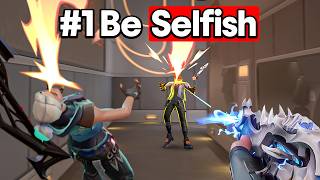
If you look where you're going to avoid bumping into walls or missing jumps, you lack control and crosshair placement. This denies you certain peaks and plays, like the jump peak on Pearl's A side.
Trust your movement and avoid looking down. Practice in custom games moving without looking into harder spots to identify weaknesses.
Bumping into walls during fights destroys your aim and mechanics. Even minor touches change crosshair placement. New players tunnel vision, while experienced players struggle on specific spots like double doors on Pearl or Haven.
Give yourself space when preparing for fights, ensure proper alignment for clean lateral peaks, and learn positioning and approach rather than just fighting.
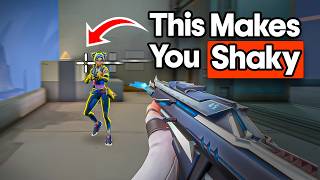
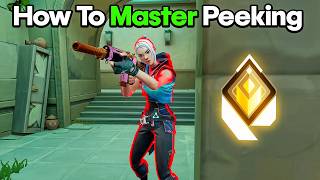
Dying fast when peeking is often due to lack of speed. Start peeks from further behind cover to reach maximum movement speed before swinging, and avoid peeking with shift.
Master silent peeking by letting go of the shift key and moving for a single step silently, using opposite movement key to stop. This helps in clutches, flanks, and lurks.
Only use lateral strafes, not W, when peeking. Swing wide into angles for speed, but pull back from tight corners to avoid being seen first.
Being static during fights leads to getting traded quickly. Stay mobile with A&D strafes. Different players have different styles: Remi crouches more, Kenzera uses A&D strafes and crouch-hold angles.
ADAD movement ensures constant motion but has a high skill ceiling. Committing to spray is more static but has multi-kill potential at close range. Use techniques appropriately.
Duelists and aggressive players often get traded after opening kills. Key skills include movement utility usage, air strafes, and quick thinking.
Practice in the range parkour course to improve air strafes. Plan movement and fallbacks in real time, like pre-round decisions for rushes.
Stopping instantly when caught off guard gives enemies time to aim. Instead, strafe and continue strafing as you adjust your crosshair, rather than instantly flicking.
Encourages viewers to practice these techniques in deathmatch to survive longer and feel calmer during fights.
Improving movement is crucial for climbing ranks in tactical shooters. By addressing these six signs—looking while walking, bumping into walls, dying on peek, poor fight movement, inability to escape, and stopping when peeked—players can significantly enhance their mechanics and game sense.
What is the first sign of poor movement mentioned?
Looking where you walk to avoid bumping into walls or missing jumps.
00:16
How does bumping into walls affect your aim?
It changes your crosshair placement, leading to poor adjustments and missed shots.
02:47
What is the key to peeking with speed?
Starting your peek from further behind cover to reach maximum movement speed before swinging.
04:05
How do you perform a silent peek?
Let go of the shift key and move for a single step silently, stopping with the opposite movement key.
04:44
Why should you avoid diagonal peeking?
Because pressing W when peeking reduces your speed and makes you an easier target.
05:16
What is the downside of ADAD movement style?
It has a high skill ceiling and potential for inconsistency.
06:53
What are two tips to improve escaping after opening kills?
Practice in the range parkour course and plan movement/fallbacks in real time.
08:13
What should you do when caught off guard by an enemy?
Strafe and continue strafing as you adjust your crosshair, instead of instantly flicking.
09:18
Timings are created by you
Emphasizes personal responsibility for peeking timings, a key mindset shift.
01:27Silent peeking technique
Provides a concrete mechanical skill that improves clutch and flank potential.
04:31ADAD movement trade-offs
Explains the pros and cons of different movement styles, helping players choose their approach.
06:53Pre-round planning
Shows how proactive decision-making reduces hesitation under pressure.
08:39[00:02] happening, it might be that your movement is the problem. Dying as soon as you peek is one of just the six subtle signs that you need to improve think enough coaches talk about these issues. Therefore, I'll show you each
[00:16] sign of bad movement and how to fix it as fast as possible. The first sign that tied to where you look. If you have to look where you're going to avoid bumping into walls, or missing jumps, you might not get out of low elo. This
[00:29] is the first sign of poor movement as it shows two key issues. Number one, you number two, you lack control of your movement. There's nothing worse than jump in front of your friends and teammates. Struggling with movement
[00:43] readiness for a fight. As we know, our crosshair placement is our number one dangerous angle to avoid bumping into things leads to poor crosshair placement peaking at us. But what's just as bad is that it totally denies us the ability to
[00:59] do certain peaks and plays. For example, take a look at this jump peak on the A side of Pearl. This is often used during clutch situations when the attackers are playing from art. We simply can't do this jump smoothly in a clutch or retake
[01:11] jump. There are many other similar situations like the one on the A side of side of Abyss. How many times have you looked around before you try to jump and You didn't want to make a step on accident. Your first instinct is usually
[01:27] to feel as though you've got unlucky and the enemy team peaked on a worse timing for you. But the hard truth is that all the possible timings are created by you opening to an opponent. It's up to you to minimize these mistakes with solid
[01:41] movement and crosshair placement. The fix is fairly simple. First, trust your often as possible. You'll make more mistakes at first, but it will help you see which areas you usually struggle with the most. Then, you can jump into a
[01:55] custom game and practice moving without looking into these harder spots. If you movement, but it still feels impossible to climb, our team of radiant and VCT coaches can give you feedback inside of the premium 10-week immortal road map
[02:09] program. Our average student gains 500 RR in 10 weeks, and these are some of the things that our students have to say about us. We offer over 100 hours of personalized coaching with one-on-ones, mechanics drills, and even private
[02:21] scrims. We're so confident in our coaching that if you don't win up 500 RR in 10 weeks, we'll give you a full refund. We only have a few spots left for the next season. So, you need to use the link in the description to book a
[02:34] call where we're going to check your tracker and see if you'd be a good fit. fundamental sign that your movement is bad is that you're bumping into walls bumps into walls may be subtle, and you
[02:47] it. However, even a minor touch on a corner during a fight can totally destroy your mechanics and aim. Bumping into a wall during a fight or a peak aim. Even if you only touch a wall and it doesn't fully stop you, a change of
[03:00] your crosshair lands, leading to poor adjustments and miss shots. The problem here is not your aim, it's the inconsistent movement holding you back saying, "Sel, I'm not a noob. I don't
[03:13] bump into random walls." Sure, but what about double doors on Pearl or right here on Haven? New players bump into walls because they tunnel vision onto their target, which leads to them losing track of their surroundings. But, more
[03:25] experienced, some spots are difficult to navigate without paying extra attention. yourself space when preparing to take a fight. Ensure you have plenty of room to you're in a tight spot, make sure you're aligned correctly for a clean lateral
[03:40] peak. Remember, it can be just as important to learn about where your position is and how you approach the fight rather than just the way you fight point was all about improving your peaking. But, how do we know if our
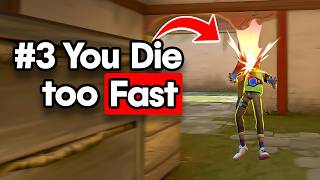
[03:52] peeking is bad? The third sign that your movement is bad is that you die quickly every time you peek, especially when an enemy is ready or holding you. So, why does this happen? First, speed is key. If you aren't getting enough speed for
[04:05] be an easier kill when you do peek out. And as for the previous point, the solution is the position we take before we swing. This time, I'm talking about starting our peek from further behind cover and even gets to reach the maximum
[04:17] movement speed before peeking. Additionally, we must avoid peeking with shift as much as possible, especially if we suspect an enemy is ready for us and utility we're throwing. And don't take this the wrong way, but this doesn't
[04:31] a bunch of noise like you're a race car in a racetrack. To peek with speed without shifting or making noise, you need to master the skill of silent go of the shift key and move for a
[04:44] single step silently. The way we do this is that we consistently let go of our key when silent peeking or we stop with the opposite movement key when silent but here's an example of the audio difference between a full step and two
[05:00] difference between a full step and two steps with your swing. will pay off huge during clutches, flanks, or lurks. Another way to avoid
[05:16] making sure we're not peeking diagonally. Meaning, we are only using lateral strafes and not pressing W when peeking. Your distance from the angle is close to an opponent, you will be moving faster. Meaning, you should try to swing
[05:31] wide into an angle. That also means you can swing closer for some of your duels to throw your opponents off guard. However, even at close range, you still want to pull yourself back more often from peeking tight onto these corners.
[05:45] Because what happens is, on these corners, the enemy POV will see you first even if you're faster going around this corner. Ideally, you should be giving yourself space between the wall you're swinging and the wall behind you
[05:58] previous tip. Now that we've thoroughly discussed peeking, let's discuss your movement during actual fights. The fourth sign of poor movement is tied to how long you live in longer gunfights. Do you feel like you get traded quickly
[06:10] after a kill? If yes, it's likely due to poor movement during the actual fight itself. Being slow to move after a frag. Of course, being static while fighting importantly, staying mobile during fights with A&D strafes means you are
[06:24] much more likely to avoid getting traded after a kill. For most players, you will your strength. For example, a player like Remi may use crouching more often make it more difficult to hit him. However, he is also more committed more
[06:39] often than a player like Kenzera, where Kenzera focuses more on the A&D strafes, and when he does crouch, tends to hold angles with the crouch and then strafe increasing his accuracy for that first initial bullet in that crouch state. An
[06:53] ADAD movement style ensures you are constantly moving during a fight, process the situation and take more accurate shots. However, it comes with a downside of a high skill ceiling and potential for inconsistency. The length
[07:06] situations and trying to do all this without bumping into teammates and walls most experienced player. Committing to fights of spray and focusing on spray requires intensive spray practice. If
[07:20] multi-kill potential at close range, but the downside is you are much more static. You're also less accurate at longer distances and much easier to and spray transferring are usually to be used at close to medium range. Becoming
[07:33] include your techniques in a fight, though. When thinking about our movement, we also want to consider how to reposition on a slightly bigger is bad is that you struggle to escape after the first opening kills. This
[07:46] applies mostly to duelist players or anyone who's going for those aggressive crucial for both sides to have players willing to go for aggressive main early round controls. Going for these openings often puts you in risky positions where
[07:59] you are likely to be traded or hit with utility. So, learning to escape these key to having a lasting impact through the round. If you are struggling to stay alive after these openings, then you are probably lacking a few key skills. The
[08:13] key skills here include movement utility usage, your air strafes, and quick thinking. I have two main tips to improve these skills. First, spend time in the range parkour course as often as you can. The parkour course is actually
[08:25] strafes. After a bit of practice, you'll have much more control of these small movements. Second, plan out your movement and fallbacks in real time. You an attacker, you may only have a short window to take space and establish a
[08:39] rotators come in. For a defender, there may be four guys sprinting at you to try to secure a trade to get onto the site. So, here's how we manage this. If I'm Abyss, an example, I'm already thinking in the pre-round what I will do. If it's
[08:52] a full rush on my site, I'm going to take one peek and updraft into heaven after this peek. Then I'll rotate around CT and peek back site before they take the full site. Already having made this decision, I am now faster executing it
[09:04] under pressure and I won't hesitate when that pressure comes. The final sign your movement is bad is that you stop instantly when peeked. It's crucial that give us the time to aim. If you are caught off guard, don't expect your
[09:18] crosshair placement to save you in those times. Especially if your crosshair enemy is just at an off angle you didn't expect, the best decision is not to instantly flick and fight him. Instead, you should strafe and continue strafing
[09:31] as you adjust your crosshair. This works better if you are already swinging, but you even more time to adjust, it can After this video, I want you to go into a death match and try it out for
[09:44] and let us know if it helped you survive longer and feel calmer during your here to improve your mechanics even more. Until next time, peace.
⚡ Saved you 0h 09m reading this? Transcribe any YouTube video for free — no signup needed.