
Austrian Emperor's Secret Apricot Dumpling Obsession
44sThe bizarre contrast between an emperor's physical ailments and his quirky love for dumplings creates an intriguing and shareable historical anecdote.
▶ Play Clip"Delivers a charming historical anecdote and recipe context, though the title promises more than the brief clip delivers."
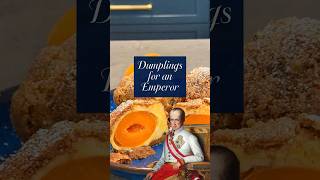
This video explores the historical and culinary story behind apricot dumplings (Marillenknödel), a dish beloved by Ferdinand I, Emperor of Austria. It delves into his personal struggles, including epilepsy and rumors of intellectual disability, and how his passion for these dumplings became a memorable part of his legacy. The video also provides a glimpse into the recipe's origins and its enduring popularity.
The video introduces Marillenknödel, apricot-filled dumplings, as Ferdinand I's favorite dish, with a recipe from an 1858 Austrian cookbook.
Ferdinand I was a Habsburg whose parents were first cousins, and he suffered from a speech defect and severe epilepsy, experiencing up to 20 seizures daily.
Despite rumors of being feeble-minded, Ferdinand spoke five languages and was witty, suggesting these claims may have been exaggerated or fabricated.
During council meetings, Ferdinand reportedly counted carriages passing by the window, behavior deemed unsuitable for an emperor, though such stories are now disputed.
During a storm, Ferdinand and his companions took shelter at a farmhouse where the farmer's wife served dumplings; he was so delighted he insisted they be served at every meal.
When doctors advised moderation, Ferdinand declared, 'Kaiser bin ich und Knödeln muss ich haben' (I am the emperor, and I must have dumplings), a rare quote from his 13-year reign.
The dumplings are coated in breadcrumbs, butter, cinnamon, and sugar, with a soft, juicy interior, explaining Ferdinand's fondness for them.
The video encourages viewers to watch the full video on YouTube and find the recipe at tastinghistory.com.
What is the name of the apricot dumplings featured in the video?
Marillenknödel
00:01
From which year does the cookbook recipe originate?
1858
00:01
How many epileptic seizures did Ferdinand I suffer per day?
20
00:13
What did Ferdinand I say when doctors advised him to eat fewer dumplings?
Kaiser bin ich und Knödeln muss ich haben (I am the emperor, and I must have dumplings).
01:07
What are the dumplings coated in?
Breadcrumbs, butter, cinnamon, and sugar
01:20
Inbreeding and Health
Highlights the genetic consequences of royal intermarriage, a factual historical point.
00:13The Emperor's Quote
A rare, memorable quote that humanizes a historical figure and underscores his passion.
01:07Recipe Details
Provides concrete culinary details that connect history to modern cooking.
01:20[00:01] просто обожал эти пельмени. Этот вариант, называемый « Марилленкнёдель», начинён абрикосом, а рецепт взят из австрийской поваренной книги, изданной в 1858 году, вскоре после правления Фердинанда. Дело в том, что
[00:13] Фердинанд был одним из Габсбургов, и его родители были двоюродными братьями и сестрами с обеих Фердинанда был ряд физических недугов, включая дефект речи и настолько тяжелую эпилепсию, что он страдал от 20 приступов в день.
[00:27] Говорят, что он был также слабоумным, хотя и говорил на пяти языках и был довольно остроумным, так что, возможно, это просто выдумка людей, появившаяся позже. Но так или иначе, он на самом деле не так уж много правил. Говорят, что во время заседаний совета
[00:39] окно и считал количество проезжающих мимо экипажей, а затем . Такое поведение нежелательно от человека, который должен этих утверждений сейчас вызывает споры, но именно в них люди верили в то
[00:53] время. Что касается его любви к пельменям, то об этом рассказывается в истории, поведанной о его правления. Когда началась буря, он и его спутники укрылись в фермерском доме, только что приготовила на ужин пельмени. Они предложили несколько штук Фердинанду, и он был от
[01:07] настаивал на том, чтобы их подавали к каждому приему пищи, а когда врачи советовали ему поберечь себя, он говорил: «Kaiser bin ich und Knödeln muss ich haben». Я император, и я буду есть пельмени. И это, пожалуй, единственная цитата,
[01:20] которая у нас есть от человека, который был императором 13 лет, и она может начинки для этих пельменей, и абрикос — лишь один из самых популярных. Они обвалены в панировочных сухарях, сливочном масле, корице и сахаре, благодаря чему имеют
[01:33] нежную, сочную мякоть внутри. И я понимаю, почему Фердинанду они так нравились. Чтобы узнать больше о Фердинанде I и его клецках, посмотрите the full video on YouTube, and the recipe is at tastinghistory.com.
⚡ Saved you 0h 01m reading this? Transcribe any YouTube video for free — no signup needed.