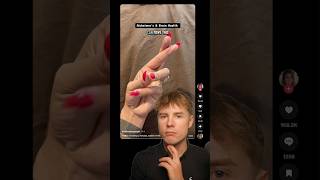

Pinky Exercise Alzheimer's Myth Exposed
45sDebunks a popular viral claim with scientific evidence, creating curiosity and engagement.
▶ Play Clip"The title promises a quick brain hack, but the video quickly debunks it and pivots to broader, evidence-based advice—delivering more substance than the clickbait suggests."
This video debunks the viral claim that a simple finger exercise can prevent Alzheimer's disease, explaining that while it may create some neuroplasticity, it lacks evidence for reducing dementia risk. It then highlights more effective, evidence-based approaches to brain health, including speed of processing training and addressing modifiable risk factors.
A viral claim suggests that a finger exercise can protect against Alzheimer's and increase brain plasticity, but the video states there is no current evidence for this specific exercise.
The finger exercise combines attention, fine motor control, and unfamiliar movement, creating some neuroplasticity, but the adaptation mainly improves performance of that specific exercise, not general brain health.
A randomized trial on 232 older adults with mild cognitive impairment found that structured finger exercises for 30 minutes twice a day for 30 days improved cognitive scores compared to a control group.
In the ACTIVE trial, older adults assigned to speed of processing training with booster sessions had about 25% lower risk of dementia over 20 years, while memory and reasoning training showed no risk reduction.
Speed of processing training involves getting faster at noticing visual information, dividing attention, and reacting quickly, often by identifying targets on a screen with increasing difficulty.
Real-world ways to incorporate speed of processing training include racket sports, fast ball sports like tennis or pickleball, fast-paced visual games, dancing, and reaction drills.
The 2024 Lancet Commission estimated that addressing 14 modifiable risk factors could prevent or delay approximately 45% of dementia cases, emphasizing metabolic health, fitness, sleep, blood pressure, and body composition.
While finger exercises may be fun, they are unlikely to reduce Alzheimer's risk. Focus on evidence-based strategies like speed of processing training and managing overall health risk factors to protect your brain.
Finger exercise lacks evidence
Directly counters a viral claim with scientific reasoning, showing why the exercise isn't a proven Alzheimer's prevention.
00:13Speed training reduces dementia risk
Provides a specific, evidence-based intervention (25% risk reduction) that viewers can apply.
01:0145% of dementia cases preventable
Highlights the broader, actionable message that lifestyle factors significantly impact dementia risk.
02:13[00:00] If your pinky can move this easily, it's a sign that your brain is in great shape. Just 7 to 10 seconds of this exercise can help protect against Alzheimer's and increase brain plasticity. Is this finger exercise really going to reduce your risk of Alzheimer's disease?
[00:13] Well, not based on any current evidence that we have. At least when we're talking about this specific finger exercise. Now, it is genuinely difficult because it combines attention, fine motor control, and an unfamiliar movement pattern. It will create some neuroplasticity, but most of that adaptation will simply make you better at performing this specific exercise.
[00:31] However, finger exercises have been studied more broadly. In one randomized trial on 232 older adults with mild cognitive impairment, performing structured finger exercises for 30 minutes twice a day for 30 days did result in improvements in cognitive scores compared to a control group.
[00:47] But that is one hour of structured finger exercises every day in people with already existing cognitive impairment. If you want to challenge your brain with a movement that generally has evidence that it might do something good for your risk of dementia, then check out this particular study.
[01:01] In the active randomness control trial, older adults were assigned to memory, reasoning, or speed training. Then they were followed for 20 years. Those who did speed of processing training and received booster sessions every few years had about 25% lower risk of dementia.
[01:16] Those who did standard memory and standard reasoning training didn see any risk reduction Speed of processing training alone didn do it either It did so only with booster sessions So what is this speed of processing training In the active study speed of processing training was designed to make people get faster at noticing visual information
[01:33] dividing attention, spotting something important in the center while also noticing things in the periphery, and just reacting to things very fast. The participants would see very brief visuals on a screen, and they had to identify or locate targets faster and faster as the task got harder.
[01:48] In the real world, you can incorporate speed of processing training with racket sports or fast ball sports like tennis, pickleball, ping pong, or even basketball. Fast-paced visual games, such as some computer games, can also do this.
[02:00] Dancing or choreographed training and just fast kind of reaction drills. Similar to your muscles, if you don't use your brain, you lose it, including processing speed. So this finger trick can be a fun exercise, but it's probably not going to reduce your risk of Alzheimer's.
[02:13] It just becomes too easy after a few minutes. The 2024 Lancet Commission estimated that if you address 14 modifiable risk factors, you could prevent or delay approximately 45% of dementia cases.
[02:25] That's a more important point. Protecting your brain is about the bigger picture. It's about your metabolic health, your fitness, your sleep, your blood pressure, your body composition, and many other risk factors. If you want to see where your own health currently ranks for your age,
[02:38] take my 3-minute health percent assessment. It gives you your health percentile, identifies your biggest health bottlenecks, and shows you what you should focus on improving first. click the link below and start now.

⚡ Saved you 0h 02m reading this? Transcribe any YouTube video for free — no signup needed.