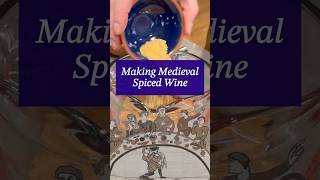
William the Conqueror's Spiced Wine: The Drink of 1066
45sThe historical connection to a famous invasion and the exotic spice blend create a captivating story that hooks viewers.
▶ Play Clip"Title promises a historical recipe and delivers exactly that with context and detail — solid, though brief."
This video explores the medieval spiced wine Hippocras, specifically the version enjoyed by William the Conqueror before the Norman invasion of England in 1066. It details the historical context, the recipe from the medieval French cookbook Le Viandier de Taivon, and the costly ingredients that made it a drink for the wealthy.
Hippocras is a medieval spiced wine that William the Conqueror drank while crossing the English Channel in 1066. The chronicler William of Poitiers recorded that the Duke anchored his flagship and enjoyed an abundant meal with spiced wine.
The recipe comes from Le Viandier de Taivon, medieval France's first cookbook. It includes common spices like cinnamon, ginger, and nutmeg, as well as less common ones like galangal and grains of paradise, which are described as a citrusy floral version of black pepper.
Sugar was the most costly ingredient due to the large quantity required. Sugarcane had to be imported from India or Indonesia and refined on Cyprus, making it an ingredient only the wealthy, like the Duke of Normandy, could afford.
The wine is sweet, highly spiced, and delicious. The recipe is available at tastinghistory.com.
Hippocras was a luxurious, spiced wine reserved for the elite, and this video offers a glimpse into both its historical significance and its preparation, with the full recipe available online.
Who drank Hippocras while crossing the English Channel in 1066?
William the Conqueror (Duke of Normandy).
What is the name of the medieval French cookbook that contains the Hippocras recipe?
Le Viandier de Taivon.
00:14
Which two less common spices are used in the recipe?
Galangal and grains of paradise.
00:28
Why was sugar the most costly ingredient in Hippocras?
Sugarcane had to be imported from India or Indonesia and refined on Cyprus, making it expensive and only affordable for the wealthy.
00:28
Historical Anecdote
Connects a specific historical event (the Norman invasion) to a tangible culinary detail, making history relatable.
Economic Insight
Explains how the global spice trade and refining processes made certain ingredients luxury items, illustrating medieval economics.
00:28[00:02] пил Вильгельм Завоеватель, пересекая Ла-Манш в 1066 году. что герцог Вильгельм бросил якорь своему флагманскому кораблю посреди моря, пока ждал, герцог наслаждался обильной трапезой, сопровождаемой пряным вином, как если бы он
[00:19] находился в своем домашнем зале. Этот рецепт пряного вина взят из Taillevent», и в нем используются специи, знакомые большинству из нас, такие как корица, имбирь и мускатный орех, а также некоторые менее распространенные, например, галингал и райские зерна, которые представляют собой
[00:32] цитрусово-цветочную версию черного перца. Но, пожалуй, самой дорогой специей оказался сахар, потому что его очень много. В те времена сахарный тростник доставлялся из Индии или Индонезии, а затем перерабатывался на
[00:44] острове Кипр, и это был ингредиент, доступный лишь богатым герцог Нормандии. Итак, если вы планируете в ближайшее время вторгнуться в Англию, я предлагаю вам гипокраса от Вильгельма Завоевателя. Это сладкое, очень пряное и невероятно вкусное блюдо,
[01:00] and the recipe is up at tastinghistory.com.

⚡ Saved you 0h 01m reading this? Transcribe any YouTube video for free — no signup needed.