
The #1 ETF Fee Mistake Costing You $250K
42sThe $250,000 fee difference is a shocking, high-stakes stat that makes investors pause and want to learn more.
▶ Play Clip"Delivers exactly what the title promises: three specific ETF metrics with clear explanations."
This video explains the three key metrics to evaluate before buying an ETF: expense ratio, total assets, and tracking difference. It emphasizes that these factors, not the share price, determine long-term investment success.
The annual fee charged by the fund. For a broad index fund like VOO, it's 0.03%. Over 30 years on a $100,000 portfolio, the difference between 0.03% and 1% is over $250k in fees.
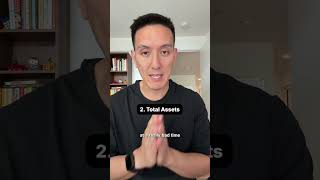
The total net assets of the fund. Beginners often overlook this. A fund with under $100 million in assets can close, forcing you to sell at a bad time and incur a tax bill. Rule: prefer funds with $1 billion or more in assets.
Compare the fund's return to the index's return. Example: VOO performed 15.03% vs benchmark 15.07%, indicating good tracking. Large tracking differences can cost you money.
Before buying an ETF, check the expense ratio (cheap), total assets (big), and tracking difference (accurate). These three numbers are crucial for long-term investing success.
What is the expense ratio of VOO?
0.03%
00:03
How much can the difference between a 0.03% and 1% expense ratio cost on a $100,000 portfolio over 30 years?
Over $250,000 in fees.
00:15
What is the rule of thumb for total assets in an ETF?
Prefer funds with $1 billion or more in assets.
00:41
What is tracking difference?
The difference between the fund's return and the benchmark index's return.
00:54
What are the three numbers to check before buying an ETF?
Expense ratio, total assets, and tracking difference.
00:03
Expense ratio is the most important number
It directly impacts long-term returns and is fully controllable by the investor.
00:03Total assets prevent forced selling
Small funds can close, leading to unfavorable sales and tax consequences.
00:28Tracking difference measures accuracy
A small tracking difference indicates the fund is efficiently mirroring the index.
00:54[00:03] that actually matter and none of them are the share price. Number one is the expense ratio. This is what the fund charges you every single year and for a broad index fund like VOO, they charge 0.03%
[00:15] most people think. On a $100,000 portfolio over 30 years, the difference portfolio over 30 years, the difference between a 0.03% expense ratio and a 1% between a 0.03% expense ratio and a 1% one is over 250k in fees and fees are
[00:28] can fully control. Number two is total assets. So, beginners never check this, but I would say if you can scroll down and you can see how much in total net assets the fund has, that's going to be a really good thing. 979 billion is a
[00:41] lot, but some ETFs have under 100 million and those can actually close you might be forced to sell at a really bad time and get hit with a tax bill. So, my rule here is that if it has a billion dollars or more in assets,
[00:54] number three is something called tracking difference. So, you want to go to the performance table here compare the fund's return to the index's return and you can see that this one performs 15.03%
[01:06] when the benchmark performs 15.07%. In that case, it's actually tracking the index or the benchmark very well and it's not costing you a lot of money, but there are some ETFs that will have a big tracking difference and that can cost
[01:18] ratio, you want it to be cheap. For total assets, you want it to be big. And to be accurate. What's your go-to ETF? Let me know in the comments.


⚡ Saved you 0h 01m reading this? Transcribe any YouTube video for free — no signup needed.