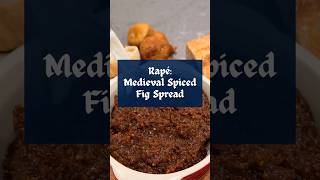

Medieval Drink with an Awkward Name
45sThe absurd and potentially offensive name ('rape') combined with the exotic ingredients of figs, raisins, and sandalwood creates a curiosity gap that viewers will want to click.
▶ Play Clip"The title accurately reflects the content, which is a historical recipe demonstration with context about medieval cuisine."
This video explores a medieval recipe for a spiced fig spread called 'repai,' highlighting the use of expensive imported ingredients and vibrant food coloring in the cuisine of the wealthy. It connects the dish to King Richard II of England and his lavish banquets, offering a glimpse into the culinary practices of the era.
Medieval cooks used saffron for yellow, spinach for green, and sandalwood for red to color their dishes.
The wealthy sometimes covered their food in gold leaf, showcasing their affluence.
Figs, raisins, and spices were imported from distant regions, making the dish costly and exclusive.
The recipe comes from 'The Forme of Cury,' written by the chefs of King Richard II, who was known for his extravagant banquets.
What ingredients were used to dye food yellow, green, and red in medieval Europe?
Saffron for yellow, spinach for green, and sandalwood for red.
00:13
Why were the ingredients for repai so expensive?
Figs and raisins from the Mediterranean, and spices from East Asia.
00:25
Who was the ruler associated with the recipe collection 'The Forme of Cury'?
King Richard II of England.
00:42
Medieval Food Coloring
Explains the common practice of dyeing food with natural ingredients like saffron and spinach.
00:13Luxury Ingredients
Highlights the high cost of imported figs, raisins, and spices, making the dish a status symbol.
00:25King Richard II's Banquets
Connects the recipe to the lavish hosting of King Richard II, despite his poor ruling reputation.
00:42[00:01] фиговой пасты с несколько неудачным названием «рапс». Этот напиток изготавливается из сушеных инжира и изюма, приготовленных в вине, затем приправляется черным перцем, корицей, сандаловым деревом. В настоящее время мы нечасто используем сандаловое дерево в кулинарии, главным образом потому, что оно
[00:14] средневековой Европе люди очень любили использовать его для окрашивания пищи в красный цвет. В целом, яркие цвета. Они красили еду в желтый цвет шафраном, в зеленый — шпинатом, а если покрывали ее сусальным золотом. Конечно же, золотую фольгу употребляли в пищу
[00:28] использовали этот рецепт изнасилования. Дело в том, что инжир и изюм приходилось доставлять из Средиземноморья, а специи — из Восточной Азии. Поэтому они стоят этот рецепт был написан в форме карри или способа его приготовления. Это
[00:41] был сборник рецептов, составленный главными поварами короля очень хорошим королем, но он был великолепным хозяином, умевшим устраивать одежду, и на еду, и если вас приглашали в замок, вас
[00:55] Конечно, приглашены были не все, поэтому, вероятно, неудивительно, во время его правления. Но если бы вам выпала возможность пообедать с королем Ричардом, вы бы отлично провели время, и вам могли бы подать что-то вроде этого изнасилования. Оно
[01:08] сладкое, хорошо приправленное и отлично сочетается с небольшим количеством хлеба или сыра. Я more food history and for this recipe, then check out the Tasting History then check out the Tasting History Cookbook.



⚡ Saved you 0h 01m reading this? Transcribe any YouTube video for free — no signup needed.