
Why Egg Yolks Are Orange or Yellow
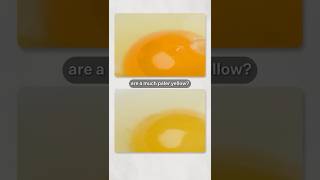
45sThe visual contrast between pale and bright yolks triggers curiosity, and the promise of a scientific explanation hooks viewers immediately.
▶ Play Clip"The title promises an explanation of yolk color differences, and the video delivers exactly that with clear scientific reasoning—no fluff, just facts."
The video explains why egg yolks vary in color from pale yellow to deep orange, attributing the difference to the hen's diet and the presence of carotenoid pigments. It highlights that hens cannot produce these pigments themselves and must obtain them from feed, with certain additives like marigold petals enhancing the orange hue.
Egg yolks can range from pale yellow to deep orange, and this variation is due to pigments in the hen's diet.
Carotenoids, which cause yellow, orange, and red colors in foods like carrots and pumpkins, are not produced by hens; they must be ingested through feed.
Carotenoids are absorbed from the hen's digestive system and transported via the bloodstream to the developing egg yolks.
Adding just 0.1% of marigold flower petals to feed can significantly enhance the orange tint of egg yolks.
Wheat, barley, or corn-based feeds produce paler yolks, while diets rich in carotenoid-containing plants result in the deep orange color typical of pasture-raised eggs.
The color of an egg yolk is a direct reflection of the hen's diet, with carotenoid-rich feeds producing deeper orange yolks. This knowledge helps consumers understand the nutritional and dietary factors behind egg yolk appearance.
What causes the color difference in egg yolks?
The hen's diet, specifically the presence of carotenoid pigments.
00:01
Can hens produce carotenoids themselves?
No, they must obtain them from their feed.
00:15
How do carotenoids reach the egg yolk?
They are absorbed from the digestive system and transported via the bloodstream to the developing yolks.
00:29
What percentage of marigold petals can enhance yolk color?
0.1%
00:42
Which feed types produce paler yolks?
Wheat, barley, or corn-based feeds.
00:54
Yolk Color as a Diet Indicator
Explains a common observation with a clear scientific basis, linking diet to appearance.
00:01Carotenoids: Essential Dietary Components
Highlights that hens cannot synthesize these pigments, emphasizing the importance of feed composition.
00:15Marigold Petals as a Natural Additive
Provides a specific, actionable example of how feed additives can influence yolk color.
00:42[00:01] желтки имеют насыщенный оранжевый цвет, а другие — гораздо более светлый желтый? Итак, вот научное обоснование этого явления в пищевой промышленности. Цвет яичных желтков в основном обусловлен пигментами, которые отвечают за многие желтые, оранжевые и красные
[00:15] оттенки в таких продуктах, как морковь, тыква, красный перец и яичные желтки. Однако куры не могут самостоятельно вырабатывать эти пигменты . Они должны получать их пищу, богатую кератеноидами, эти пигменты всасываются и транспортируются через
[00:29] кровоток в развивающиеся желтки яиц. В этом исследовании, посвященном влиянию красного перца на цвет яичного желтка, было обнаружено, что добавление всего 0,1% лепестки цветка малины, может усилить
[00:42] оранжевый оттенок и цвет желтка. Именно поэтому, в зависимости от рациона питания, цвет желтка может сильно варьироваться. Например, корма на основе пшеницы, ячменя или кукурузы, как правило, приводят к образованию более невзрачных желтков желтого цвета. В то время как рацион,
[00:54] различные кормовые растения с высоким содержанием кератеноидов, может придать яйцам тот более насыщенный orange color we see in many pasture-raised eggs at the store.
⚡ Saved you 0h 01m reading this? Transcribe any YouTube video for free — no signup needed.